Modern businesses don’t fail because of lack of effort—they fail because their systems can’t keep up. As operations scale, technology either becomes a growth engine or a bottleneck. The difference is rarely tools alone; it’s how those tools are structured, integrated, and managed.
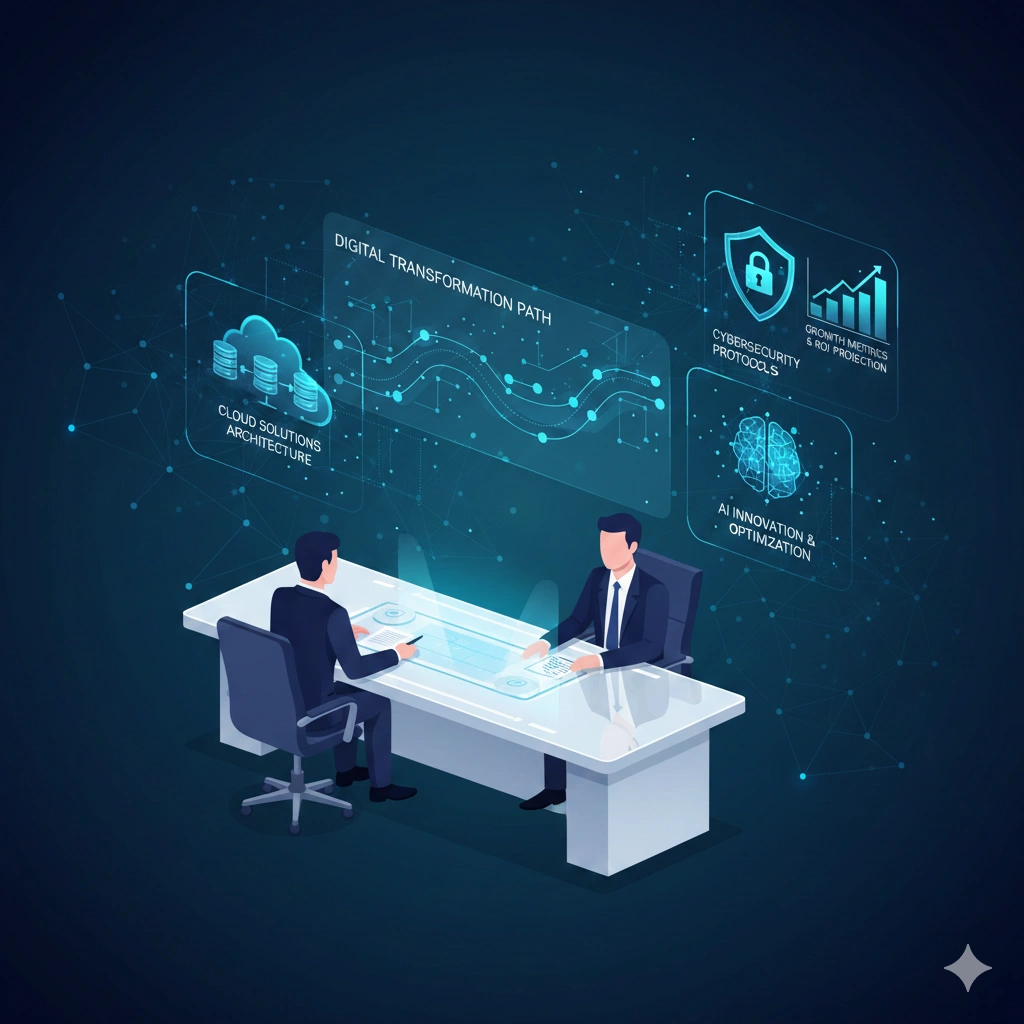
An IT consultant is not just a technician. They act as a systems architect—aligning infrastructure, software, and workflows with business outcomes. If your current setup feels reactive instead of strategic, these signals usually appear first.
1. Your Systems Don’t Talk to Each Other
When teams rely on disconnected tools, inefficiencies multiply. Data gets duplicated, reporting becomes inconsistent, and decisions are made on incomplete information. Sales uses one platform, operations another, HR something else—none of them synchronized.
This fragmentation creates operational drag. Employees spend more time transferring data than using it. An IT consultant resolves this by designing integrated systems where data flows seamlessly across departments, eliminating silos and enabling real-time visibility.
2. You’re Experiencing Frequent Downtime or Technical Issues
Recurring system crashes, slow applications, or unreliable infrastructure are not just technical inconveniences—they directly impact revenue and reputation. Every minute of downtime translates into lost productivity and potential customer churn.
If your team is constantly “fixing things,” you’re operating in maintenance mode instead of growth mode. An IT consultant identifies root causes, whether infrastructure limitations, poor architecture, or outdated systems, and stabilizes your environment for long-term reliability.
3. Your Business Is Growing Faster Than Your Technology
Growth exposes weaknesses. What worked for a small team becomes inefficient at scale. Manual processes pile up, reporting becomes slow, and customer experience starts to degrade.
If onboarding new clients, employees, or transactions feels harder instead of easier, your systems aren’t scaling with your business. An IT consultant redesigns workflows and implements scalable infrastructure so growth becomes sustainable, not chaotic.
4. You Lack Clear Data for Decision-Making
Businesses today run on data—but only if that data is structured, accurate, and accessible. If your reporting is delayed, inconsistent, or requires manual compilation, you’re operating blindly.
Without reliable insights, decisions rely on assumptions rather than evidence. An IT consultant builds centralized data systems and dashboards that provide real-time visibility into performance, allowing leadership to act with confidence and speed.
5. Security Risks Are Increasing
Cybersecurity is no longer optional. As your business grows, so does your exposure—customer data, financial records, internal systems. Many companies assume they are “too small” to be targeted, which is exactly what makes them vulnerable.
Signs include outdated software, lack of access control, no backup systems, or unclear security policies. An IT consultant audits your environment, identifies vulnerabilities, and implements structured security protocols to protect both your data and your reputation.
6. Your Team Is Wasting Time on Manual Processes
Manual workflows are one of the biggest hidden costs in any organization. Repetitive tasks, spreadsheet tracking, and human-dependent processes slow down operations and increase error rates.
If your team spends significant time on tasks that could be automated, your system design is holding you back. An IT consultant introduces automation across workflows—reducing operational friction, improving accuracy, and freeing your team to focus on higher-value work.
Why These Signs Matter
Each of these issues may seem isolated, but they are usually symptoms of the same underlying problem: a lack of system architecture. Businesses often adopt tools incrementally without a unified strategy, leading to complexity instead of efficiency.
An IT consultant brings structure. Instead of patching problems, they design systems that align with how your business operates and where it’s going. This includes:
Integrating software into a unified ecosystem
Automating repetitive processes
Strengthening security and data integrity
Building scalable infrastructure
Creating visibility through centralized data
The goal is not just to “fix IT,” but to transform it into a competitive advantage.
When to Act
Most businesses wait too long. They bring in external expertise only after problems become critical—when systems break, growth stalls, or risks become visible.
The better approach is proactive. If even two or three of these signs apply to your business, it’s already an indication that your current setup is limiting your potential.
Conclusion
Technology should enable growth, not complicate it. When systems are aligned, operations become faster, decisions become clearer, and teams become more productive.
An IT consultant provides the structure needed to move from fragmented tools to a cohesive, scalable system. The result is not just improved efficiency—it’s a business that can grow without being constrained by its own infrastructure.
Transform Your Business with Strategic IT Consulting
If your systems are fragmented, operations are slowing down, or your team is overwhelmed by manual processes, it’s not a tool problem—it’s a system architecture problem. EdgeOfContent helps businesses redesign their technology into scalable, integrated, and intelligent infrastructures.
Move beyond reactive fixes and build a system that supports growth, security, and data-driven decision making.
EdgeOfContent IT Consulting Hub