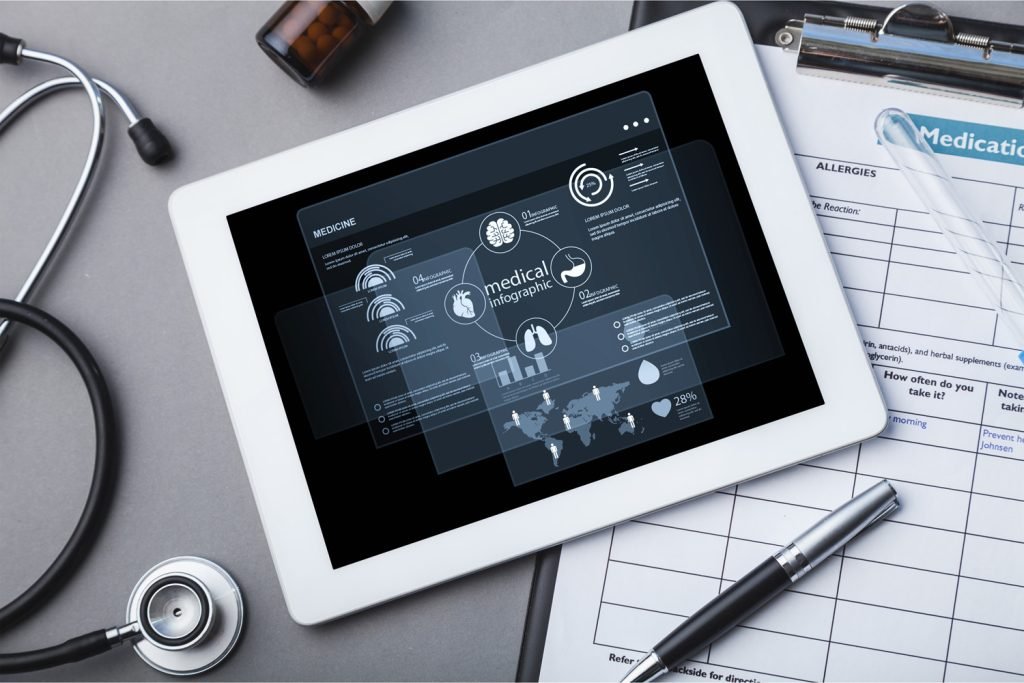
Building National Healthcare Information Systems in Africa
National healthcare information systems are becoming essential infrastructure for African countries, enabling unified patient records, real-time hospital coordination, improved disease surveillance, and data-driven public health decision-making across fragmented healthcare networks.
Many healthcare systems still rely on paper records, isolated hospital databases, and manual reporting processes, which limit efficiency, accuracy, and responsiveness during emergencies.
A national healthcare information system unifies hospitals, clinics, laboratories, pharmacies, and public health agencies into a single digital ecosystem for coordinated healthcare delivery.
Unified Electronic Health Records (EHR) Systems
Centralized EHR systems ensure that patient data is accessible across all healthcare facilities while maintaining security and privacy controls.
Core functions include:
• National patient health identifiers
• Cross-hospital medical record access
• Digital prescription histories
• Lab and diagnostic result integration
• Real-time treatment updates
This reduces duplication, improves diagnosis accuracy, and strengthens continuity of care.
Hospital Network Integration and Interoperability
Modern healthcare systems depend on interoperability between public and private hospitals, clinics, and laboratories.
Integration enables:
• Unified hospital management systems
• Cross-facility patient referrals
• Shared diagnostic infrastructure
• Real-time bed and resource availability tracking
• Coordinated emergency response systems
This eliminates fragmentation and improves healthcare system efficiency at scale.
Disease Surveillance and Public Health Intelligence
National healthcare information systems enable real-time monitoring of disease outbreaks and public health risks across regions.
Surveillance capabilities include:
• Infectious disease tracking systems
• Epidemic early warning systems
• Laboratory reporting integration
• Geospatial health analytics
• Population health trend analysis
This enables rapid response to outbreaks and improved national health preparedness.
AI-Powered Diagnostics and Clinical Decision Support
Artificial intelligence enhances clinical decision-making by analyzing patient data, imaging results, and medical histories to support accurate diagnosis and treatment planning.
AI systems assist with:
• Medical imaging interpretation
• Early disease detection models
• Treatment recommendation systems
• Drug interaction analysis
• Risk scoring for patients
This improves clinical accuracy while reducing diagnostic delays.
Digital Health Identity and Patient Tracking
A unified health identity system ensures that each patient has a consistent record across all healthcare providers nationwide.
Core components include:
• Unique national health IDs
• Vaccination history tracking
• Maternal and child health records
• Chronic disease monitoring systems
• Cross-border patient portability
This ensures continuity of care across time and geography.
Supply Chain and Pharmaceutical Management Systems
Healthcare systems require robust digital infrastructure to manage medicine distribution, hospital supplies, and pharmaceutical logistics.
Key functions include:
• Real-time drug inventory tracking
• Cold chain monitoring systems
• Automated procurement systems
• Anti-counterfeit drug verification
• National stock level forecasting
This reduces shortages and improves medicine availability.
Data Governance, Privacy, and Health Security
Healthcare data requires strict governance frameworks to ensure privacy, security, and ethical usage.
Requirements include:
• Patient consent management systems
• Encrypted medical record storage
• Role-based data access controls
• Audit trails for record access
• Compliance with health data regulations
Strong governance ensures trust in digital healthcare systems.
The Future of National Healthcare Systems in Africa
Future healthcare systems will be fully integrated, AI-driven, and predictive, enabling proactive healthcare delivery rather than reactive treatment.
Emerging capabilities include:
• AI-powered epidemic prediction systems
• Fully interoperable health ecosystems
• Remote patient monitoring platforms
• Smart hospital automation systems
• Unified continental health intelligence networks
These systems redefine how healthcare is delivered and managed at national scale.
Digital healthcare infrastructure is becoming the backbone of modern public health systems.
African nations that invest in unified healthcare information systems will achieve stronger disease control, better clinical outcomes, and more efficient healthcare delivery.