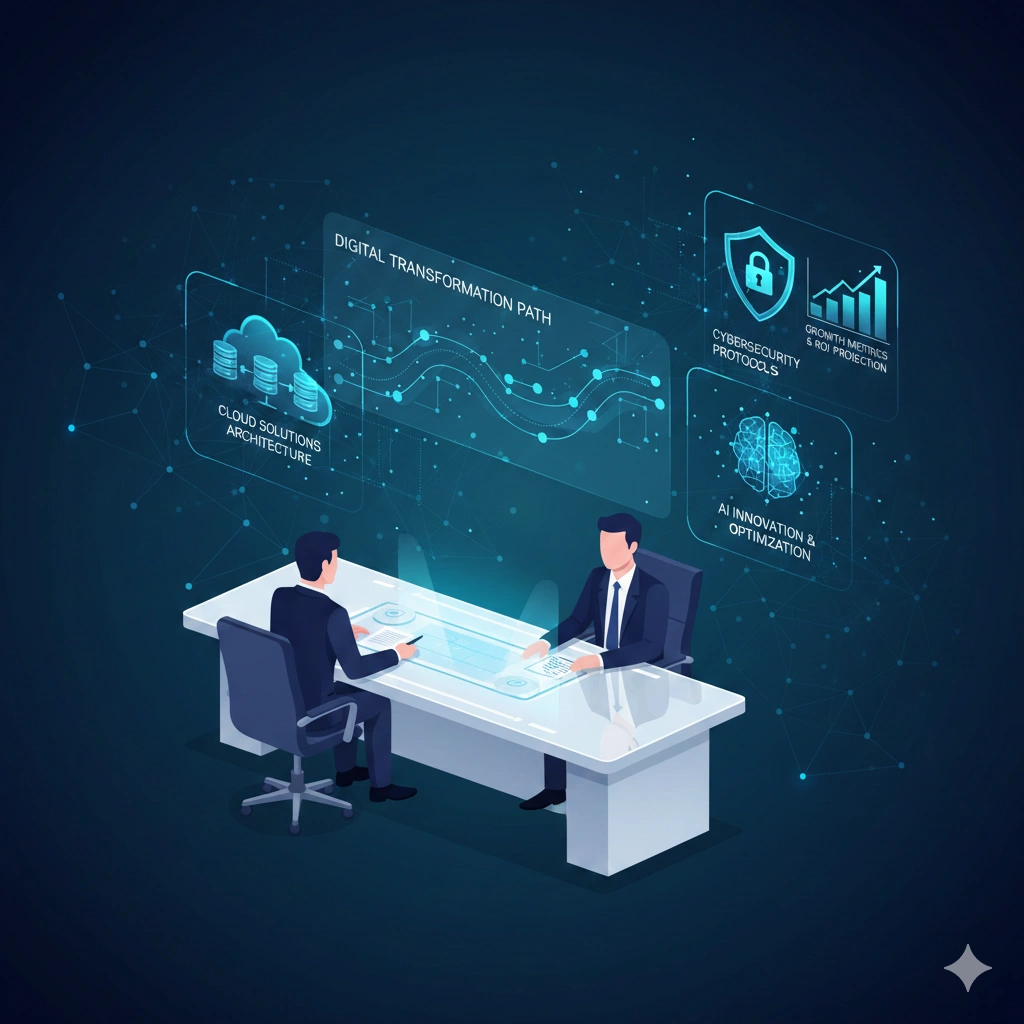
The IT Services and Cybersecurity Technologies Used by International Intelligence Agencies
International intelligence operations are no longer limited to trench coats, hidden microphones, or cinematic espionage scenes. Modern intelligence agencies rely heavily on advanced IT infrastructure, cybersecurity systems, artificial intelligence, encrypted communication, cloud computing, data analytics, and cyber defense technologies.
From protecting national security systems to monitoring digital threats across borders, technology has become the backbone of modern intelligence and covert operations.
For cybersecurity companies and IT agencies, this opens an important conversation:
What technologies do intelligence organizations rely on, what kinds of digital infrastructure do they need, and how can advanced cybersecurity firms support high-security environments?
This article explores the IT services, cybersecurity technologies, and digital systems commonly associated with intelligence, defense, surveillance, cyber protection, and high-security operations.
The Digital Evolution of Intelligence Operations
Modern intelligence agencies operate in a world dominated by:
- Cyber warfare
- Digital surveillance
- AI-powered analytics
- Cloud infrastructure
- Global communications
- Data interception
- Threat intelligence
- Cybersecurity defense
- Identity verification systems
- Mobile intelligence
- Open-source intelligence (OSINT)
The majority of modern intelligence work now happens digitally.
Intelligence organizations need secure systems capable of handling:
- Massive volumes of sensitive data
- Real-time monitoring
- Global communication networks
- Multi-layer authentication systems
- Cyberattack prevention
- Secure cloud environments
- Artificial intelligence analysis
- Cross-border threat detection
Without advanced IT infrastructure, modern intelligence operations would not function efficiently.
Core IT Services Used in Intelligence and Security Operations
1. Cybersecurity Infrastructure
Cybersecurity is one of the most important components of intelligence operations.
Government systems, intelligence databases, military communications, and surveillance networks constantly face threats such as:
- Nation-state cyberattacks
- Data breaches
- Ransomware attacks
- Network infiltration
- Insider threats
- Social engineering attacks
- Malware deployment
- Credential theft
Because of this, intelligence organizations invest heavily in:
- Endpoint protection
- Firewall management
- Intrusion detection systems
- Security operation centers (SOC)
- Threat intelligence monitoring
- Incident response systems
- Zero-trust security architecture
- Identity access management
- Network segmentation
- Multi-factor authentication systems
A cybersecurity agency specializing in enterprise-grade protection can support organizations requiring high-level digital security frameworks.
2. Encrypted Communication Systems
Secure communication is critical in intelligence operations.
Modern intelligence teams rely on encrypted platforms for:
- Internal communication
- Secure file transfers
- Remote operations
- Mission coordination
- Data transmission
- International communication
Key technologies include:
- End-to-end encryption
- Secure messaging systems
- VPN infrastructure
- Private communication servers
- Encrypted email systems
- Secure VoIP systems
- Digital identity verification
Cybersecurity agencies can help build and maintain:
- Secure communication environments
- Private encrypted servers
- Internal messaging systems
- Secure remote-access infrastructure
- Enterprise VPN systems
3. Cloud Security and Secure Hosting
Modern intelligence systems often depend on private cloud infrastructure.
Secure cloud environments are required for:
- Large-scale data storage
- AI processing
- Surveillance archives
- Intelligence databases
- Remote access systems
- Operational coordination
High-security cloud systems require:
- Advanced encryption
- Continuous monitoring
- Geographic redundancy
- Disaster recovery systems
- Access control systems
- Security audits
- Real-time threat detection
An advanced IT agency can provide:
- Cloud architecture consulting
- Secure server deployment
- Hardened hosting environments
- Infrastructure monitoring
- Data backup systems
- High-availability server environments
4. Artificial Intelligence and Data Analysis
Modern intelligence operations process enormous amounts of information every day.
Artificial intelligence is used to:
- Analyze communication patterns
- Detect suspicious activity
- Monitor network behavior
- Identify cyber threats
- Process satellite imagery
- Detect anomalies
- Automate intelligence analysis
- Identify fraudulent activity
AI-driven systems help intelligence analysts work faster and more efficiently.
Cybersecurity and IT firms can support this environment by developing:
- AI-powered dashboards
- Threat detection algorithms
- Machine learning systems
- Data visualization tools
- Real-time monitoring platforms
- Automation workflows
5. OSINT (Open-Source Intelligence)
OSINT refers to gathering intelligence from publicly available digital sources.
- Social media analysis
- Website monitoring
- Public databases
- News aggregation
- Geolocation analysis
- Domain tracking
- Metadata analysis
- Digital footprint analysis
Modern cybersecurity agencies can assist organizations by building:
- OSINT monitoring systems
- Automated tracking dashboards
- Threat intelligence platforms
- Social media monitoring tools
- Digital footprint analysis systems
6. Digital Identity and Access Management
Identity protection is a critical area in high-security environments.
- Verifying identities
- Controlling user permissions
- Preventing unauthorized access
- Detecting compromised credentials
- Managing authentication securely
Technologies commonly used include:
- Biometric authentication
- Hardware security keys
- Multi-factor authentication
- Access logging systems
- Privileged access management
- Secure onboarding systems
Cybersecurity agencies can develop:
- Enterprise identity management systems
- Access control frameworks
- Authentication workflows
- Secure login infrastructures
- Identity monitoring systems
7. Network Monitoring and Threat Detection
Continuous network monitoring is essential for organizations handling sensitive operations.
- Unauthorized access attempts
- Suspicious traffic
- Malware behavior
- Data exfiltration
- Insider threats
- Abnormal login behavior
Advanced cybersecurity firms can provide:
- 24/7 security monitoring
- SOC management
- Threat intelligence integration
- Log analysis systems
- SIEM implementation
- Real-time security alerting
8. Secure Mobile Infrastructure
Mobile devices have become major targets for cyberattacks.
- Secure communication
- Remote work
- Operational coordination
- Encrypted messaging
- Secure data access
Cybersecurity agencies can support secure mobility through:
- Mobile device management (MDM)
- Mobile application security
- Secure communication apps
- Mobile endpoint protection
- Device encryption systems
How Cybersecurity Agencies Can Support High-Security Organizations
A modern cybersecurity agency does far more than install antivirus software.
Today’s advanced IT and cybersecurity firms can support organizations with:
- Enterprise cybersecurity solutions
- Secure infrastructure development
- Cloud deployment
- Threat intelligence systems
- Security consulting and risk assessment
- AI-powered automation systems
- Digital intelligence monitoring
- Infrastructure hardening
- Security architecture planning
- Vulnerability assessments
Why Cybersecurity Is Essential in Modern Intelligence Operations
The modern world is increasingly connected.
Governments, enterprises, defense sectors, and high-security organizations all depend on digital infrastructure.
This creates major cybersecurity challenges:
- Sophisticated cyberattacks
- Data leaks
- Infrastructure sabotage
- Financial cybercrime
- Digital espionage
- Insider threats
- AI-driven attacks
- Global hacking operations
As technology evolves, cybersecurity becomes one of the most important investments any organization can make.
Organizations handling sensitive information require:
- Constant monitoring
- Layered security architecture
- AI-driven threat detection
- Advanced encryption
- Secure communication systems
- Reliable infrastructure
This is where experienced cybersecurity agencies become critical partners.
The Future of Intelligence Technology
The future of intelligence and cybersecurity will likely involve:
- Artificial intelligence automation
- Quantum-resistant encryption
- Advanced biometric security
- Autonomous monitoring systems
- Satellite-based intelligence systems
- Predictive cyber defense
- Real-time global threat analysis
- Decentralized security architecture
Cybersecurity agencies that adapt to these technologies will play a major role in supporting secure digital environments.
How Our Cybersecurity Agency Helps Secure Digital Operations
Our agency specializes in modern cybersecurity and advanced IT solutions designed for high-security environments.
We help organizations strengthen their digital infrastructure through:
- Cybersecurity consulting
- Secure server deployment
- Cloud infrastructure security
- Threat monitoring systems
- Network protection
- Security hardening
- AI-powered security tools
- Website and application security
- Enterprise-grade hosting
- Vulnerability assessments
- Security architecture planning
- Digital infrastructure optimization
Our mission is to help organizations operate securely, efficiently, and confidently in an increasingly digital world.
Whether supporting enterprise infrastructure, secure communications, cloud systems, or cybersecurity operations, modern IT agencies are essential partners in today’s technology-driven landscape.
Final Thoughts
International intelligence operations are now deeply connected to cybersecurity, cloud systems, artificial intelligence, digital communications, and advanced IT infrastructure.
Modern intelligence and security environments require sophisticated digital systems capable of defending against rapidly evolving cyber threats.
As cyber risks continue to grow globally, the demand for advanced cybersecurity services, secure infrastructure, AI monitoring systems, and enterprise-grade digital protection will continue increasing.
For organizations seeking to secure their digital operations, partnering with a capable cybersecurity and IT agency is no longer optional — it is essential.
The future of intelligence is digital, and cybersecurity is at the center of it.
Strengthen Business Security with Pentesting and Cybersecurity Consulting
Modern businesses cannot afford weak infrastructure, unsecured applications, or reactive security strategies. EdgeOfContent delivers advanced penetration testing, cybersecurity consulting, and IT infrastructure optimization designed to identify vulnerabilities, reduce risk, and secure business-critical systems.
From web applications and APIs to cloud environments and enterprise systems, we help businesses build secure, scalable, and resilient digital infrastructures capable of supporting long-term operational growth.
EdgeOfContent Cybersecurity and Pentesting Hub