What Are Datacenters? Understanding Their Role in Big Data, Cloud Computing, and Modern Digital Infrastructure
Datacenters power the modern internet by storing, processing, securing, and distributing the enormous volumes of digital information used by businesses, governments, AI systems, cloud platforms, streaming services, financial institutions, and global applications.
Every website, mobile app, online payment, video stream, cloud platform, enterprise application, and AI model depends on datacenter infrastructure operating continuously behind the scenes.
As digital transformation accelerates globally, datacenters have become one of the most critical foundations of modern business operations, cybersecurity, artificial intelligence, cloud computing, and big data analytics.
What Is a Datacenter?
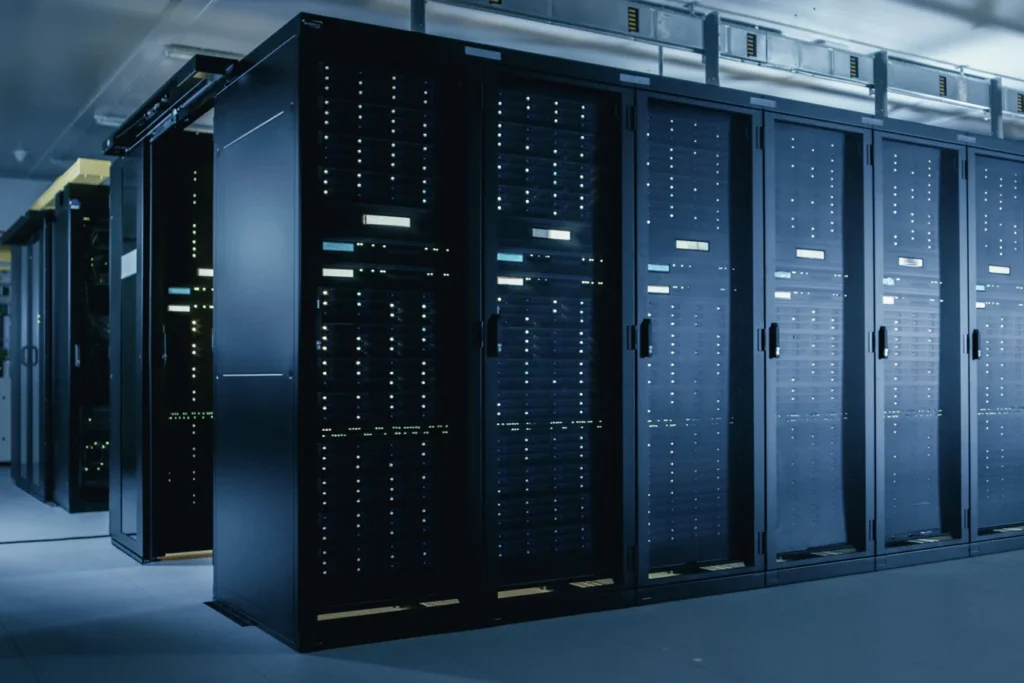
A datacenter is a physical facility that contains computing infrastructure used to store, process, manage, and distribute digital data and applications.
Datacenters typically contain:
• High-performance servers
• Data storage systems
• Networking infrastructure
• Cooling systems
• Backup power systems
• Cybersecurity systems
• Internet connectivity infrastructure
Their primary purpose is to ensure digital services remain available, secure, fast, and continuously operational even under massive traffic loads and complex computing demands.
Why Datacenters Are Essential in the Digital Economy
Modern organizations generate and consume enormous amounts of digital information every second.
Datacenters enable businesses to:
• Host websites and applications
• Store enterprise data
• Run AI and machine learning workloads
• Support cloud services
• Deliver streaming media
• Process financial transactions
• Manage enterprise software systems
• Protect sensitive digital assets
Without datacenters, modern internet infrastructure and digital business operations would not exist at scale.
The Relationship Between Datacenters and Big Data
Big data refers to extremely large and complex datasets generated from digital systems, online activity, sensors, applications, transactions, devices, and user interactions.
Datacenters provide the infrastructure required to process and analyze this massive volume of information.
Big data environments rely heavily on datacenters because they require:
• Massive storage capacity
• High-speed computing power
• Real-time data processing
• Distributed computing systems
• AI and machine learning infrastructure
• Redundant backup systems
• High-performance networking
Industries such as finance, healthcare, telecommunications, logistics, ecommerce, cybersecurity, and artificial intelligence all depend heavily on datacenter-powered big data environments.
How Datacenters Support Cloud Computing
Cloud computing and datacenters are deeply connected.
Cloud services are essentially delivered through large-scale distributed datacenter infrastructure operated by cloud providers.
When users access cloud platforms, they are actually using remote computing resources hosted inside highly advanced datacenters.
Cloud datacenters power:
• Cloud storage
• Virtual machines
• SaaS platforms
• AI services
• Enterprise applications
• Video streaming infrastructure
• Online collaboration systems
• Global web hosting environments
Every major cloud provider operates enormous global datacenter networks to maintain uptime, scalability, speed, and data availability across regions.
Who Needs Datacenters?
Nearly every modern industry depends on datacenter infrastructure either directly or indirectly.
Organizations that rely heavily on datacenters include:
• Cloud service providers
• Banks and financial institutions
• Ecommerce companies
• Governments and defense agencies
• AI and machine learning companies
• Healthcare organizations
• Telecommunications providers
• Streaming and media platforms
• Enterprise software companies
• Logistics and transportation systems
Even small businesses today often rely on cloud-based services that operate on datacenter infrastructure without directly managing physical servers themselves.
Main Types of Datacenters
Datacenters exist in several different forms depending on ownership, architecture, scalability requirements, and operational goals.
Common datacenter types include:
• Enterprise Datacenters
Built and operated by individual companies for internal business operations and private infrastructure management.
• Colocation Datacenters
Facilities where organizations rent physical space, networking, cooling, and power infrastructure for their servers and hardware.
• Cloud Datacenters
Massive distributed facilities operated by cloud providers delivering scalable computing resources and online services globally.
• Edge Datacenters
Smaller localized facilities positioned closer to end users to reduce latency and improve real-time processing performance.
• Hyperscale Datacenters
Extremely large datacenters designed for massive scalability, automation, AI workloads, and global cloud infrastructure operations.
• Managed Datacenters
Infrastructure environments fully managed by third-party providers responsible for maintenance, monitoring, security, and operational support.
Datacenters and Artificial Intelligence Infrastructure
AI systems require enormous computing power, advanced GPUs, high-speed storage, and large-scale distributed processing environments.
Modern AI development increasingly depends on specialized datacenters optimized for:
• AI model training
• Machine learning operations
• GPU acceleration
• Real-time inference systems
• Large-scale data analytics
• Autonomous computing environments
As AI adoption accelerates worldwide, datacenters are rapidly evolving into intelligent computational ecosystems optimized for advanced digital workloads.
Security and Reliability Inside Modern Datacenters
Because datacenters host critical digital infrastructure, they are built with extreme reliability and security requirements.
Modern datacenters often include:
• Biometric access control
• Multi-layer cybersecurity systems
• 24/7 infrastructure monitoring
• Redundant power supplies
• Disaster recovery systems
• Fire suppression infrastructure
• Environmental monitoring
• High-availability network architecture
Reliability is critical because even brief outages can disrupt banking systems, online services, cloud platforms, AI applications, and global communication networks.
The Future of Datacenters
Datacenters are rapidly evolving alongside artificial intelligence, edge computing, quantum computing, cloud infrastructure, and autonomous digital systems.
Future datacenters will increasingly focus on:
• AI-optimized infrastructure
• Sustainable energy efficiency
• Autonomous infrastructure management
• Edge computing expansion
• Advanced cybersecurity automation
• Ultra-low latency networking
• Intelligent resource optimization
As the global digital economy continues expanding, datacenters will remain one of the most important pillars supporting modern civilization, cloud services, AI innovation, and large-scale data ecosystems.
Every cloud application, AI platform, streaming service, and digital transaction ultimately depends on datacenter infrastructure operating continuously behind the scenes.
Datacenters are no longer just server rooms — they are the intelligent digital backbone powering cloud computing, big data analytics, cybersecurity, artificial intelligence, and the future global economy.