
 En
En Fr
Fr العربية
 BI
BI 中文
中文 РФ
РФRobotics
&
Embedded Systems
Next generation of software-powered machines | Connected Robotic devices | Industrial automations | Human-machine interaction | Expanding beyond traditional software development to shape intelligent systems
Robotics & Embedded Systems Tech Stack
Real-time operating systems, middleware architectures, hardware abstractions, and edge-native intelligence layers
From Vision To Intelligent Systems
Whether developing traditional software platforms, embedded systems, connected infrastructure, or future intelligent technologies, successful projects begin with a structured engineering process. Our approach focuses on understanding requirements, designing scalable architectures, implementing reliable systems, and continuously improving over time.
Research
Every successful system starts with understanding the problem, objectives, constraints, and long-term requirements.
Design
Clear software architecture and communication strategies provide the foundation for scalable and maintainable systems.
Development
Solutions are implemented through structured development, integration, testing, and iterative refinement.
Evolution
Modern systems are never truly finished. They evolve through monitoring, optimization, and future expansion.

The Future of Software Is Physical
For decades, software primarily existed inside websites, mobile applications, enterprise platforms, and cloud infrastructure. Today, a new generation of technology is emerging where software directly interacts with machines, sensors, industrial equipment, autonomous systems, and intelligent devices.
Embedded systems, robotics software, industrial automation, edge computing, and artificial intelligence are transforming how businesses operate, manufacture, monitor, and scale.
At EdgeOfContent, we are expanding our expertise into Embedded Software Engineering, Robotics-Oriented Systems, Intelligent Automation, Edge AI, and Connected Machine Technologies as part of our long-term vision for the future of software
Embedded Systems
Software that operates inside machines, devices, sensors, vehicles, industrial equipment, and connected infrastructure
Robotics Software
Intelligent software layers responsible for machine control, perception, communication, automation, and human-machine interaction
Intelligent Automation
AI-powered systems designed to improve efficiency, automate processes, monitor operations, and support data-driven decision making
Software Is No Longer Limited To Screens
For years, software primarily existed within websites, mobile applications, desktop platforms, and cloud systems. Today, software is increasingly embedded inside machines, devices, infrastructure, industrial equipment, vehicles, sensors, and autonomous systems. The future of technology is not only digital — it is physical, connected, and intelligent
The Intelligence Behind Modern Systems
Every intelligent machine depends on software. Whether it’s a manufacturing system, a robotic platform, an industrial sensor network, or a connected vehicle, software acts as the decision-making layer that enables communication, monitoring, automation, and intelligent behavior.
Machines require software to process information. Sensors require software to interpret data. Automation requires software to coordinate actions. Robotics requires software to perceive and interact with environments. Infrastructure increasingly depends on software to remain connected, observable, and efficient.
As industries adopt automation, machine intelligence, and connected technologies, software becomes the foundation that allows physical systems to operate as part of a larger intelligent ecosystem
Without Software…
Building Embedded Software For Robotics
&
Intelligent Automation
Our expanding research and engineering focus explores the software systems that power connected devices, industrial equipment, automation platforms, robotics systems, and next-generation machine intelligence.
Embedded Software Development
Software architectures designed to operate within devices, sensors, machines, industrial systems, and connected hardware environments.
Robotics Software Systems
Exploring software frameworks responsible for machine control, communication, automation, perception, and intelligent interaction.
Industrial Automation
Intelligent systems designed to improve operational efficiency, process visibility, monitoring, diagnostics, and automation workflows.
Edge AI & Computer Vision
AI-powered systems capable of processing visual data, recognizing patterns, analyzing environments, and supporting intelligent decision making.
Industrial IoT & Telemetry
Connected systems enabling machine communication, real-time monitoring, data collection, remote diagnostics, and infrastructure visibility.
Human-Machine Interfaces
Interfaces and control systems that enable efficient communication between operators, intelligent devices, robotics systems, and industrial platforms.
Beyond Software Beyond Robotics
The future of innovation exists at the intersection of embedded software, machine intelligence, automation, connected devices, industrial systems, and robotics. This emerging discipline is transforming how machines perceive, communicate, learn, and operate in the real world.
The Rise of Intelligent Machines
Most software agencies focus on websites, mobile applications, cloud platforms, and business systems. While these technologies remain essential, the next generation of innovation is increasingly moving into physical environments where software directly interacts with machines, sensors, equipment, infrastructure, and autonomous systems.
Embedded Intelligent Systems Engineering combines embedded software, firmware, edge computing, machine control, industrial communication, telemetry, AI inference, sensor processing, and robotics software architectures into a unified ecosystem capable of powering intelligent machines and connected infrastructure.
At EdgeOfContent, our vision is to explore and contribute to this evolution by developing expertise around the software layer that powers modern automation, industrial intelligence, connected devices, and future robotics systems.
Embedded Systems
Firmware, low-level software, hardware communication, real-time processing, machine integration, and intelligent device architectures.
Embedded Robotics Systems & Intelligent Automation
Robotics software systems, intelligent control architectures, machine coordination, sensor integration, and autonomous workflows.
Industrial Intelligence
Machine telemetry, Industrial IoT, predictive systems, AI-assisted monitoring, connected infrastructure, and operational visibility.
Software Is Becoming The Intelligence Layer Of Industry
EdgeOfContent develops embedded software and intelligent systems powering the next generation of robotics, automation, industrial infrastructure, and connected machines. As industries adopt AI, edge computing, automation, and machine intelligence, the ability to bridge software engineering with real-world systems becomes an increasingly valuable capability.
Get StartedWhere Intelligent Systems Create Value
Embedded software, machine intelligence, automation, and connected systems are transforming industries worldwide. From manufacturing facilities and logistics operations to connected infrastructure and autonomous technologies, intelligent systems are becoming the foundation of modern operations.
Industrial Systems
Modern manufacturing environments increasingly rely on software-driven monitoring, automation, machine communication, and operational intelligence to improve productivity and efficiency.
Robotics Systems
Robotics relies heavily on embedded intelligence, sensor processing, motion control, computer vision, and intelligent software architectures capable of interacting with the physical world.
Automotive Systems
Vehicles are becoming increasingly software-defined, relying on intelligent embedded systems for communication, diagnostics, monitoring, navigation, and operational insights.
Industrial IoT
Connected infrastructure enables organizations to monitor assets, collect operational data, improve visibility, and support predictive decision making at scale.
Edge AI Systems
Artificial intelligence is increasingly moving closer to machines and devices, enabling real-time analysis, autonomous responses, and intelligent local decision making.
Future Autonomous Systems
The convergence of embedded software, AI, automation, and machine intelligence is opening the door to a new generation of intelligent infrastructure and autonomous technologies.
Areas Of Research, Exploration & Engineering Focus
The future of intelligent systems is built upon a combination of embedded software, machine communication, automation, edge intelligence, and real-time computing. As part of our long-term vision, we continue exploring the technologies that power connected devices, industrial infrastructure, robotics systems, and intelligent machines.
Embedded Software
Software architectures designed to operate directly within devices, machines, controllers, sensors, and connected systems.
Firmware Engineering
Low-level software responsible for hardware communication, device behavior, system control, and machine interaction.
RTOS Systems
Real-time operating systems designed for deterministic execution, low-latency processing, and time-sensitive operations.
Machine Communication
Protocols and communication layers that allow machines, controllers, devices, and infrastructure to exchange information.
CAN Bus Systems
Widely used communication architectures for automotive systems, industrial equipment, machine networks, and embedded devices.
Sensor Integration
Connecting physical environments with software through sensors capable of collecting and processing real-world data.
Edge AI
Artificial intelligence running closer to machines and devices, enabling real-time analysis and localized decision making.
Computer Vision
Systems capable of interpreting images, identifying patterns, recognizing objects, and understanding visual environments.
Robotics Middleware
Software frameworks that coordinate communication between sensors, controllers, AI systems, and robotic components.
Telemetry & Monitoring
Collecting, transmitting, analyzing, and visualizing operational data from connected machines and infrastructure.
Industrial Automation
Intelligent software systems designed to optimize operations, automate workflows, improve visibility, and increase efficiency.
The Technologies Behind Intelligent Machines
Modern robotics, industrial automation, connected infrastructure, and autonomous systems are not defined by hardware alone. They are powered by a sophisticated software layer that enables machines to communicate, perceive, process information, and interact with the world around them. These technology domains represent key areas of ongoing research, exploration, and engineering focus as EdgeOfContent continues expanding into Embedded Intelligent Systems Engineering.
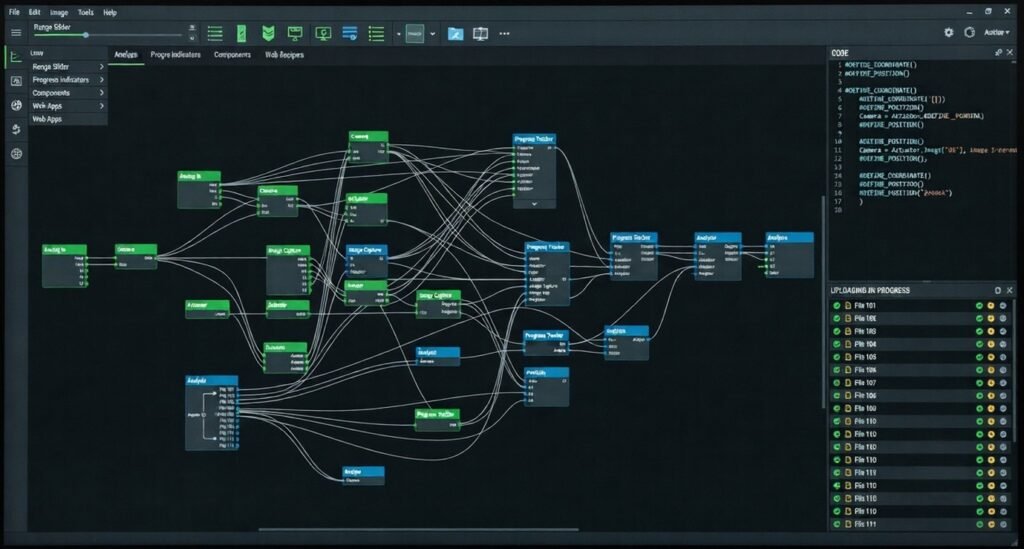
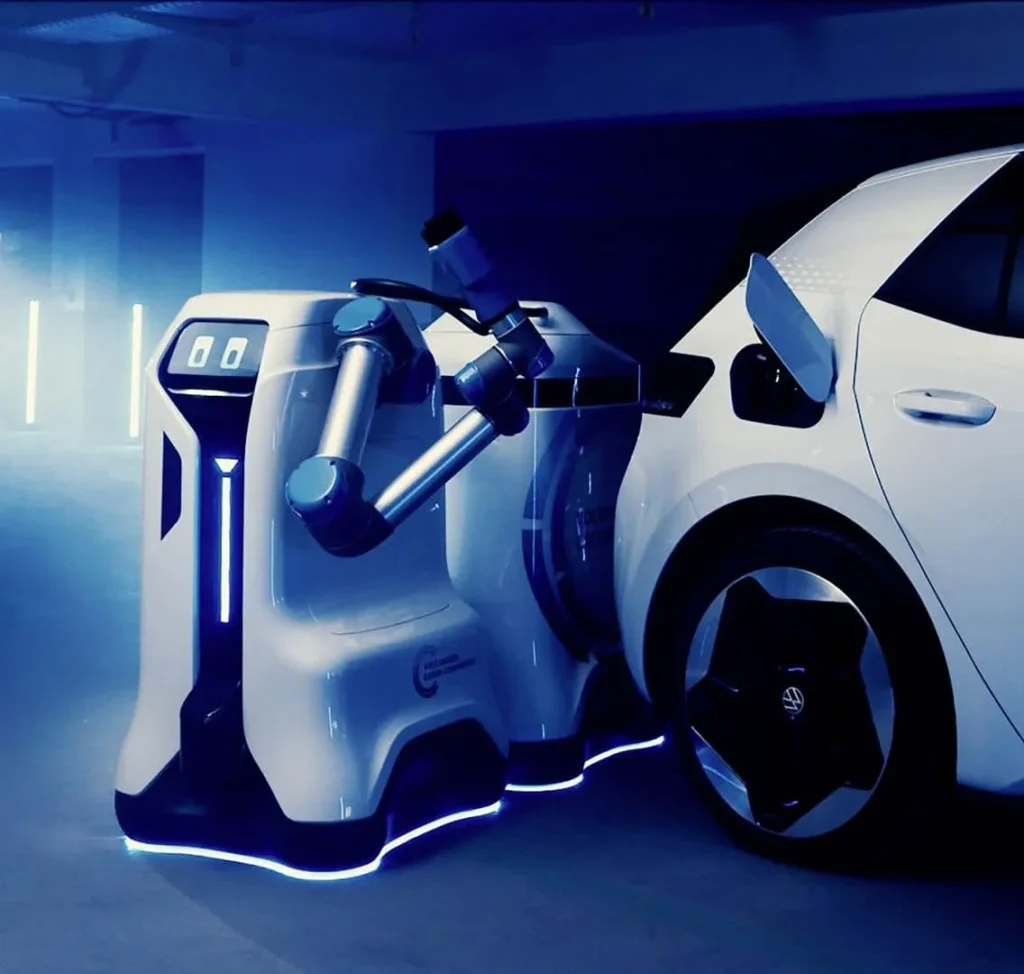
Exploring The Future Of Intelligent Systems
Technology continues to move beyond traditional software applications and into intelligent machines, connected infrastructure, autonomous platforms, and real-world environments. As part of our long-term vision, EdgeOfContent is actively exploring the technologies, architectures, and software systems shaping the future of machine intelligence.
A Vision Beyond Traditional Software Development
Our interest in embedded systems, intelligent automation, and machine software architecture comes from a simple observation: the next generation of innovation will increasingly occur at the intersection of software, artificial intelligence, connected devices, industrial systems, and robotics.
While websites, cloud platforms, mobile applications, and AI services remain essential, future industries will also depend on intelligent machines capable of sensing, communicating, analyzing, and interacting with the physical world. Understanding the software behind these systems is a natural evolution of modern engineering.
This section represents areas of ongoing exploration, research, and future innovation—not product announcements, commercial claims, or promises of specific technologies. It reflects our commitment to continuously learning and evolving alongside the future of intelligent systems engineering.
Robotics Software Architectures
Exploring the software frameworks, communication layers, control systems, and intelligent architectures that enable robotics platforms to operate effectively within real-world environments.
Edge AI Systems
Investigating how artificial intelligence can operate directly on machines, devices, and local systems to provide real-time analysis, decision support, and operational intelligence.
Human-Machine Interaction
Studying the interfaces, communication models, and user experiences that enable humans and intelligent systems to collaborate efficiently and safely.
Industrial Intelligence
Exploring how connected machines, automation systems, operational data, and artificial intelligence can improve efficiency, visibility, monitoring, and decision making.
Connected Infrastructure
Researching the technologies behind smart facilities, industrial IoT ecosystems, telemetry systems, remote monitoring, and large-scale connected environments.
Autonomous Systems
Following developments in machine autonomy, intelligent navigation, adaptive decision systems, and software architectures capable of operating with increasing independence.
Innovation Begins With Curiosity
EdgeOfContent believes that tomorrow’s breakthroughs will emerge from the convergence of software engineering, artificial intelligence, embedded systems, automation, and machine intelligence. By exploring these fields today, we prepare for a future where software no longer exists solely on screens but becomes the intelligence layer behind machines, infrastructure, and autonomous systems. Our goal is not to chase trends, but to understand the technologies that will define the next generation of digital and physical innovation.
The Bridge Between Software & Intelligent Systems
Most software companies focus exclusively on websites, mobile applications, and cloud platforms. Traditional engineering companies often focus on machines and hardware. Our long-term vision sits between these two worlds—where software engineering meets intelligent systems, automation, connected devices, and future machine technologies
Traditional Software Strength
Future Systems Engineering
Our Differentiation Is Software Thinking
The future of robotics, automation, connected infrastructure, industrial intelligence, and autonomous systems will not be driven by hardware alone. It will be driven by software architecture, data flow, user experience, artificial intelligence, cloud connectivity, APIs, and intelligent system design. EdgeOfContent brings a strong foundation in modern software development while expanding its focus toward embedded systems and machine intelligence. That combination creates a unique bridge between today’s digital platforms and tomorrow’s intelligent machines
Building The Software Behind Tomorrow’s Machines
EdgeOfContent was founded on a passion for software engineering, digital innovation, scalable systems, artificial intelligence, and modern technology. As the world continues to evolve, so does our curiosity. We believe the future of software extends far beyond screens and user interfaces.
Our long-term vision includes exploring the technologies that power embedded systems, intelligent automation, robotics-oriented software, connected infrastructure, machine intelligence, edge computing, and future autonomous platforms.
We are particularly fascinated by the intersection of software and the physical world—where code controls machines, sensors generate intelligence, AI assists decision-making, and connected systems create entirely new possibilities for industry, infrastructure, logistics, transportation, agriculture, and beyond.
This evolution is not about abandoning traditional software development. It is about expanding our understanding of what software can become. The same principles that drive exceptional digital products—architecture, reliability, usability, scalability, and intelligent design—will increasingly shape the machines and systems that define the future.
As we continue this journey, our goal is simple: to remain students of emerging technologies, explore new engineering frontiers, and contribute to a future where software serves as the intelligence layer behind increasingly capable and connected systems.
Exploring Embedded Systems,
Intelligent Automation or Robotics Software?
Whether you’re researching a future embedded system, exploring Industrial IoT opportunities, investigating intelligent automation, planning a machine software platform, or simply looking for a technology partner that understands where software is heading, we’d love to start the conversation
From scalable software architecture and AI integration to connected infrastructure and future intelligent systems, EdgeOfContent continues expanding its vision toward the technologies shaping tomorrow’s industries
Embedded Systems, Robotics & Intelligent Automation FAQ
Explore some of the most common questions surrounding embedded software, robotics systems, industrial automation, edge AI, connected infrastructure, and intelligent machine technologies
What is embedded software?
Embedded software is software designed to run directly inside physical devices, machines, controllers, sensors, vehicles, and electronic systems. Unlike traditional web or mobile applications, embedded software interacts closely with hardware and often operates in real-time environments
How is robotics software different from traditional software?
Traditional software primarily manages data, business processes, and user interactions through screens and interfaces. Robotics software must additionally process sensor information, control physical movement, coordinate hardware components, respond to environmental changes, and operate in real-world conditions
What industries benefit from intelligent automation?
Intelligent automation can benefit manufacturing, logistics, agriculture, transportation, warehousing, healthcare, infrastructure management, utilities, construction, and many other industries seeking improved efficiency, monitoring, decision-making, and operational visibility
What is Edge AI?
Edge AI refers to artificial intelligence models running directly on local devices, machines, sensors, or embedded systems instead of relying entirely on remote cloud servers. This allows faster decision-making, reduced latency, improved privacy, and real-time operational intelligence
What is Industrial IoT?
Industrial Internet of Things (IIoT) describes networks of connected industrial devices, sensors, machines, and systems that collect, transmit, and analyze operational data. These systems help organizations improve monitoring, predictive maintenance, efficiency, and asset management
Can AI operate directly on machines?
Yes. Modern embedded processors and specialized AI hardware increasingly allow artificial intelligence models to operate directly on devices and machines. This enables local computer vision, anomaly detection, predictive maintenance, navigation assistance, and intelligent decision support without requiring constant cloud connectivity
What are autonomous systems?
Autonomous systems are technologies capable of performing tasks with varying levels of independence. These systems typically combine sensors, software, data processing, communication networks, and artificial intelligence to make decisions and respond to changing environments
What is machine telemetry?
Machine telemetry is the process of collecting and transmitting operational data from equipment, vehicles, devices, or industrial systems. Telemetry allows organizations to monitor performance, identify issues, analyze trends, and improve decision-making through real-time insights
What is the relationship between embedded systems and robotics?
Embedded systems form the foundation of robotics. They enable sensor processing, motor control, communication, navigation, computer vision, and machine decision-making. Without embedded software, robotics systems would not be able to interact intelligently with the physical world
Why are embedded systems becoming increasingly important?
As industries adopt connected devices, automation, AI, robotics, and smart infrastructure, embedded systems become the software layer that enables machines to communicate, process information, automate tasks, and generate valuable operational insights