In an increasingly competitive digital landscape, businesses in Indonesia need more than standalone tools to manage operations. They require a centralized system that connects departments, streamlines workflows, and provides real-time visibility across the organization. Enterprise Resource Planning (ERP) systems have become a critical solution for companies aiming to operate more efficiently, reduce complexity, and scale with confidence.
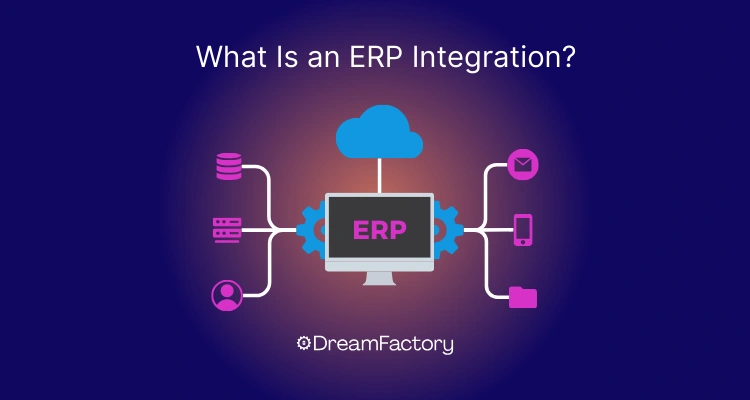
ERP is a system integration platform that unifies core business processes such as finance, inventory, procurement, sales, human resources, and reporting into a single environment. Instead of relying on disconnected software or manual processes, ERP enables seamless data flow between departments, ensuring that every part of the business operates with consistent and accurate information.
What Is ERP and Why It Matters for Indonesian Businesses?
ERP systems are designed to eliminate operational silos. In many Indonesian companies, departments often work independently using separate tools, leading to duplicated data, delays, and inefficiencies. ERP solves this by creating a single source of truth where all business data is stored, updated, and accessed in real time.
For example, when a sales transaction is recorded, the system automatically updates inventory levels, financial records, and reporting dashboards. This level of integration allows businesses to make faster decisions, reduce errors, and maintain full control over operations.
Key Challenges Without ERP
Companies that operate without an integrated system often face recurring issues that limit growth and efficiency.
Fragmented Data Across Departments
When data is stored in multiple systems or spreadsheets, it becomes difficult to maintain accuracy and consistency. Departments may work with outdated or conflicting information, leading to poor decision-making.
Manual and Time-Consuming Processes
Administrative tasks such as reporting, inventory tracking, and financial reconciliation require significant manual effort. This slows down operations and increases the risk of human error.
Limited Visibility and Reporting
Without centralized data, management lacks real-time insights into business performance. This makes it difficult to identify opportunities, track KPIs, or respond quickly to market changes.
Scalability Issues
As businesses grow, disconnected systems struggle to handle increased complexity. Expanding operations without a scalable system often leads to inefficiencies and operational bottlenecks.
Core ERP Modules for Business Integration
A well-designed ERP system includes multiple modules that work together to support different business functions.
Financial Management
This module handles accounting, budgeting, cash flow management, and financial reporting. It ensures accurate tracking of income and expenses while maintaining compliance with regulations.
Inventory and Warehouse Management
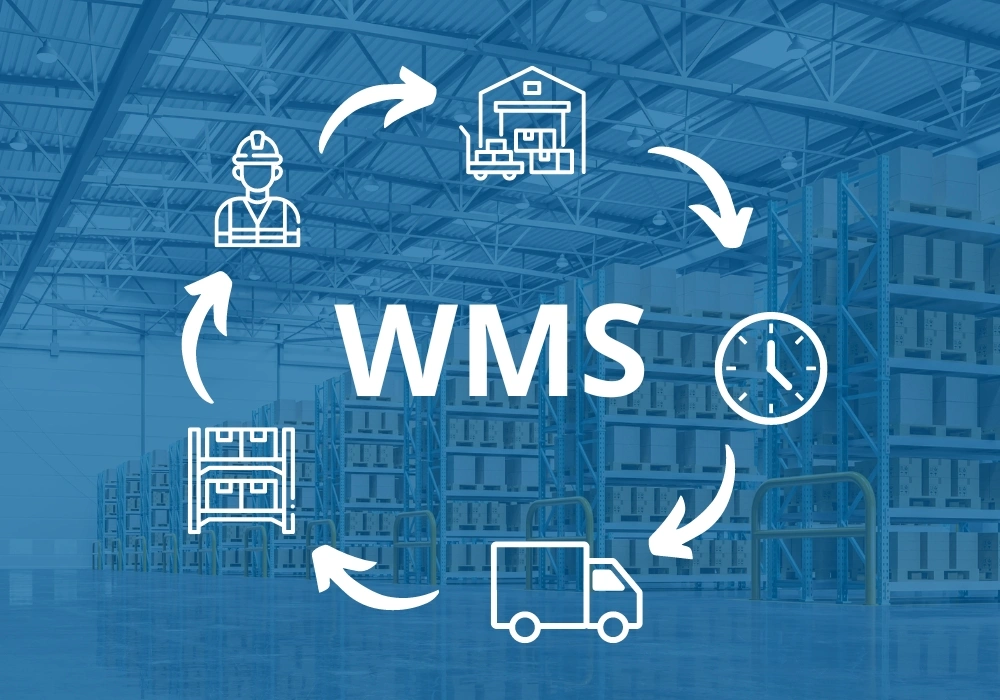
ERP systems provide real-time tracking of stock levels, warehouse movements, and order fulfillment processes. This improves inventory accuracy and reduces losses.
Procurement and Supply Chain
This module manages purchasing processes, supplier relationships, and order tracking, ensuring efficient supply chain operations.
Sales and Customer Management
ERP integrates sales processes with customer data, enabling better tracking of leads, orders, and customer interactions.
Human Resource Management
HR modules manage employee data, payroll, attendance, and performance, ensuring efficient workforce management.
Reporting and Analytics
Advanced dashboards and reporting tools provide real-time insights into all business operations, supporting data-driven decision-making.
ERP Implementation with Edge of Content
At Edge of Content, a Bali-based software development, cybersecurity, SEO, and digital growth agency, we design and develop custom ERP solutions tailored to the needs of Indonesian businesses. Our approach focuses on building scalable, secure, and fully integrated systems that align with operational workflows and long-term business goals.
Business Process Analysis
We begin by analyzing existing workflows, identifying inefficiencies, and defining integration requirements. This ensures that the ERP system is designed to solve real operational challenges.
Custom ERP Development
We build modular ERP systems that integrate finance, inventory, HR, and other business functions into a single platform. Each module is tailored to match the company’s structure and processes.
System Integration
Our ERP solutions integrate seamlessly with existing tools such as eCommerce platforms, CRM systems, and third-party services, creating a unified digital ecosystem.
Data Migration and Security
We handle secure data migration from legacy systems while implementing strong security measures such as role-based access control and data encryption.
Training and Ongoing Support
We provide training for teams to ensure smooth adoption and offer continuous support, system updates, and feature enhancements as the business evolves.
Build a More Compact and Efficient Business
ERP is not just a system; it is a foundation for operational excellence and business growth. By integrating processes, automating workflows, and providing real-time insights, ERP enables companies to operate more efficiently and scale without complexity.
Edge of Content delivers ERP solutions that combine technical expertise, security, and business strategy, helping companies in Indonesia transform into more compact, data-driven, and high-performing organizations.
info@edgeofcontent.com
https://wa.me/6285692850857