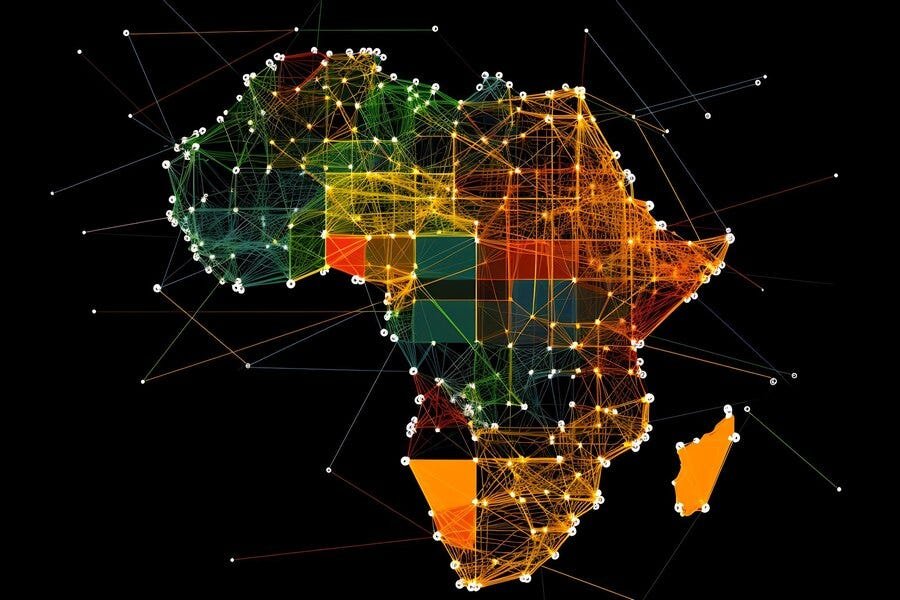
How African Nations Can Modernize Intelligence Operations With Technology
Intelligence modernization is no longer a luxury upgrade. It is a structural shift from fragmented legacy systems to unified, AI-driven national security ecosystems built for speed, accuracy, and resilience.
1. Unified National Intelligence Data Infrastructure
Modern intelligence operations begin with consolidation. Data from border control, law enforcement, financial monitoring, and communication systems must flow into a centralized intelligence backbone for real-time analysis and decision-making.
2. AI-Driven Threat Detection and Predictive Analysis
Artificial intelligence enables continuous pattern recognition across large datasets, identifying anomalies in movement, transactions, and communication networks before they escalate into security threats.
3. National Cybersecurity Architecture
Intelligence systems must be protected by layered cybersecurity frameworks including zero-trust architecture, encrypted data pipelines, and dedicated cyber defense command centers operating at national scale.
4. Multi-Source Intelligence Integration (OSINT, SIGINT, GEOINT)
Effective intelligence requires fusion of multiple data streams including open-source intelligence, signals intelligence, satellite imagery, drone surveillance, and IoT sensor networks for real-time situational awareness.
5. Secure Digital Identity and Access Control Systems
Personnel verification systems must enforce strict authentication protocols, biometric validation, and role-based access control to eliminate insider threats and unauthorized system access.
6. Domestic Talent Development and Intelligence Engineering Capacity
Sustainable modernization depends on internal expertise. National programs must prioritize AI training, cybersecurity education, and intelligence systems engineering to reduce external dependency.
7. Ethical Oversight and Intelligence Governance Framework
Advanced intelligence capabilities must be balanced with oversight mechanisms ensuring transparency, legal compliance, auditability, and protection against misuse of surveillance technologies.
Modern intelligence strength is defined by integration, not fragmentation.
Nations that unify data, automate analysis, and secure infrastructure will dominate next-generation security landscapes.