En
En Fr
Fr العربية
 BI
BI 中文
中文 РФ
РФHow HRIS Software Transforms Human Resources
Human Resources Information System (HRIS) is a centralized software system that manages, stores, and processes employee-related data across an organization. Instead of handling HR tasks through spreadsheets, emails, and disconnected tools, HRIS brings everything into a unified digital system that supports automation, accuracy, and strategic decision-making.

At its core, HRIS transforms HR from an administrative function into a data-driven operational and strategic function.
What Is HRIS?
HRIS (Human Resources Information System) is a software platform designed to manage core HR processes such as:
- Employee records and databases
- Payroll and compensation management
- Attendance and time tracking
- Recruitment and onboarding workflows
- Performance management
- Benefits administration
- Compliance and reporting
It acts as a single source of truth for all employee-related information inside an organization.
Instead of HR teams manually tracking data across multiple systems, HRIS consolidates everything into one structured environment.
How HRIS Changes the Way HR Works
HRIS fundamentally reshapes HR operations in five major ways:
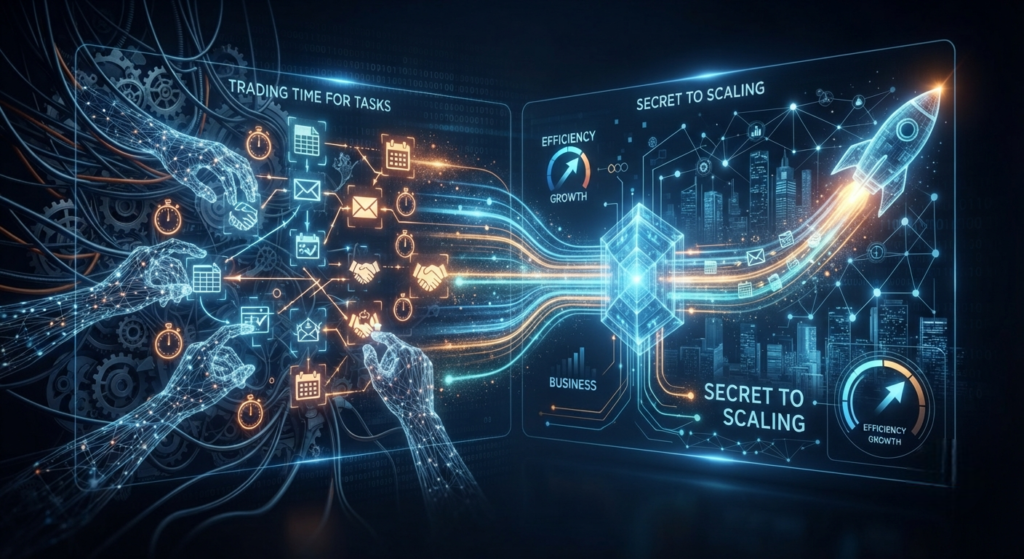
1. From Manual Administration to Automation
Traditional HR work is heavily manual:
- Payroll calculations in spreadsheets
- Attendance tracked in separate systems
- Employee files stored in folders or drives
HRIS automates these processes.
This leads to:
- Fewer human errors
- Faster processing cycles
- Reduced administrative workload
Tasks that used to take hours or days are completed in minutes.
2. From Fragmented Data to Centralized Intelligence
Without HRIS, employee data is scattered across:
- Excel sheets
- Email threads
- Separate HR tools
HRIS centralizes all data into one system.
This enables:
- Real-time access to employee records
- Consistent and accurate data
- Easier reporting and audits
HR teams no longer “search for information”—they access it instantly.
3. From Reactive HR to Data-Driven Decision Making
HRIS introduces analytics into HR operations.
Instead of reacting to problems, HR teams can:
- Track employee turnover trends
- Measure hiring efficiency
- Analyze performance patterns
- Identify workforce gaps
This shifts HR from operational support to strategic planning.
4. From Slow Hiring to Structured Talent Pipelines
Recruitment becomes significantly more efficient with HRIS:
- Applicant tracking systems (ATS) manage candidates
- Automated screening filters applications
- Interview scheduling is system-driven
- Candidate pipelines are clearly visible
This reduces time-to-hire and improves candidate experience.
5. From Static HR to Employee Self-Service Systems
Modern HRIS platforms include employee self-service portals where employees can:
- Update personal information
- Download payslips
- Request leave
- Track benefits
- Access company policies
This reduces dependency on HR teams for routine requests.
Key Modules of an HRIS System
Most HRIS platforms are structured around modular components:
- Core HR Module: Manages employee profiles, contracts, and organizational structure.
- Payroll Module: Automates salary calculations, tax deductions, and payments.
- Time & Attendance Module: Tracks working hours, shifts, and leave balances.
- Recruitment Module: Handles job postings, applicants, and hiring workflows.
- Performance Management Module: Tracks employee performance, goals, and reviews.
- Benefits Administration: Manages health insurance, perks, and compensation benefits.
Why HRIS Matters in Modern Organizations
HRIS is not just an operational tool—it directly impacts business performance.
Key advantages include:
- Improved efficiency across HR operations
- Reduced administrative costs
- Higher accuracy in payroll and compliance
- Better employee experience
- Stronger workforce planning
- Scalable HR operations for growing companies
For scaling organizations, HRIS becomes essential infrastructure rather than optional software.
Challenges of Implementing HRIS
Despite its benefits, HRIS implementation can face challenges:
- Data migration complexity from legacy systems
- Employee training and adoption resistance
- Integration with existing tools
- Initial setup costs
- System customization requirements
Successful implementation depends on planning, clean data structure, and proper onboarding.
The Future of HRIS
HRIS is evolving beyond administration into intelligent workforce systems.
Future trends include:
- AI-powered hiring recommendations
- Predictive employee retention analytics
- Automated workforce planning
- Integration with performance and productivity tools
- Real-time organizational insights dashboards
HRIS is moving toward becoming the operational brain of HR departments.
Final Thoughts
HRIS changes HR from a manual, reactive department into a structured, automated, and strategic function.
It centralizes data, improves decision-making, and streamlines every major HR process—from recruitment to payroll to performance management.
Organizations that adopt HRIS effectively gain a significant operational advantage: faster processes, better data, and a more scalable workforce system.
Build HR Systems That Scale Human Resources Intelligence
HRIS is not just software—it is operational infrastructure. Transform HR from manual administration into a centralized, automated, and data-driven system that scales workforce efficiency and decision-making.
Start Optimizing HR Operations