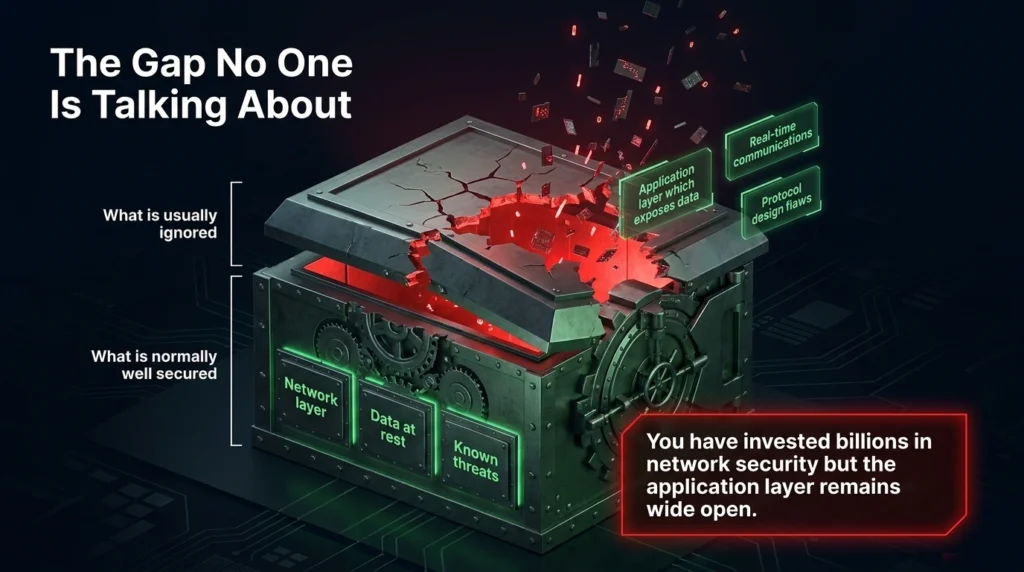
The Gap No One Talks About in Government Digital Infrastructure
The most dangerous weakness in national systems is not hacking or malware. It is the silent architectural gap between ownership, operation, and control.
Most governments believe they have “digitized” their services once software is deployed. In reality, deployment is not ownership.
The hidden gap appears when systems are built by external vendors, operated by local teams, and governed through incomplete internal technical understanding.
The Three-Layer Disconnect in Government Systems
Critical infrastructure fails silently when these three layers are not unified under one sovereign technical structure.
- System ownership (who controls architecture and source code)
- System operation (who runs and maintains infrastructure daily)
- System understanding (who can fully rebuild or audit it independently)
Why This Gap Creates Structural Dependency
When governments only operate systems but do not fully own or understand them, they become dependent on external actors for updates, debugging, scaling, and incident resolution.
This dependency persists even when local staff are present, because deep system knowledge remains external.
The Hidden Cost of “Working Systems”
A system that appears functional can still be structurally fragile if critical knowledge is not internalized.
Many governments operate platforms that cannot be independently rebuilt, audited, or migrated without vendor involvement.
This creates long-term operational risk that is not visible in day-to-day performance metrics.
Where the Gap Becomes a Security Risk
The ownership-operation-understanding gap directly affects cybersecurity posture and national resilience.
- Delayed incident response due to external dependency
- Incomplete visibility into system behavior and logs
- Inability to independently verify security implementations
- Vendor-controlled update and patch cycles
- Loss of continuity when contracts expire or change
Why This Problem Persists Across Governments
The gap is not caused by lack of talent. It is caused by procurement models that prioritize delivery over internal capability transfer.
Systems are delivered as products instead of knowledge ecosystems, leaving institutions operational but not sovereign in capability.
Closing the Gap with Sovereign Engineering Models
The solution is not replacing vendors, but restructuring engagement models to enforce full knowledge transfer, architecture ownership, and internal engineering capability development.
Governments must transition from software consumption to infrastructure authorship.
The real gap is not technological.
It is the absence of full internal control over the systems already in use.