The Intersection of App Dev and SaaS in 2026
One of the most common misconceptions in the tech world is that app development and SaaS are separate islands. In reality, the two have become inseparable. In 2026, the tools we use to build the world’s most advanced applications are almost exclusively delivered via the Software as a Service (SaaS) model.
You build an app, but you almost always use SaaS to do it.
1. Development Platforms (PaaS as SaaS)
Platform as a Service (PaaS) has effectively become “SaaS for Developers.” Modern platforms like Firebase, Vercel, Supabase, and AWS Amplify have removed the need for developers to manage physical servers. You pay a monthly subscription or a “pay-as-you-go” fee to access specialized environments and global hosting networks, allowing teams to scale infrastructure instantly.
2. Low-Code / No-Code Builders
Platforms like Bubble, FlutterFlow, and Webflow are pure SaaS. These are subscription-based ecosystems where the development environment and hosting are bundled. As long as you maintain your subscription, you have access to the editor and the live hosting environment for your application.
3. “Dev-as-a-Service” (The Agency Pivot)
Many agencies, including EdgeOfContent, are moving toward a “Productized Service” model. Instead of a single upfront bill, clients use a recurring subscription for continuous development, security patches, and iterative updates. It treats software as a living product rather than a one-time project.
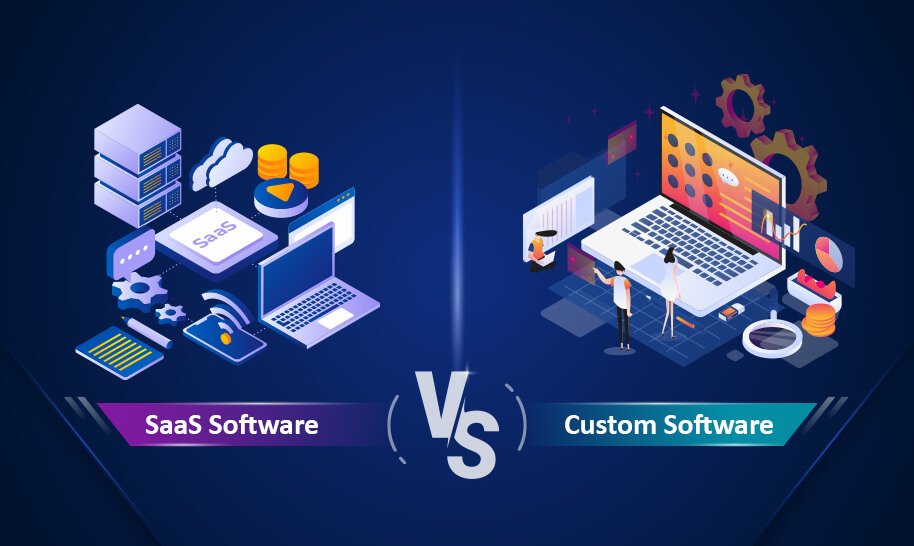
Custom Software vs. SaaS: A Comparison
| Feature | Custom Software | Standard SaaS |
|---|---|---|
| Ownership | You own the IP and source code. | You rent the usage rights. |
| Flexibility | 100% tailored to your workflow. | Limited to vendor features. |
| Upfront Cost | Higher initial investment. | Low entry cost (Subscription). |
| Scalability | Built for your specific growth. | Instant, but may become costly. |
4. When it’s NOT SaaS
- Custom Build-and-Handover: You hire a dev for a custom app, pay once, and they hand over the full source code for you to own and host independently.
- On-Premise Software: Standalone licenses where you pay once and install the tool on a local machine with no recurring fees.
Final Thoughts
Whether building a custom CRM or a startup app, your workflow is likely powered by SaaS. Understanding this intersection is key to managing technical debt and choosing the right partners for long-term scalability.
Looking to Build Your Own SaaS?
From choosing the right PaaS to architecting a scalable subscription model, we help you navigate the 2026 dev landscape.
Start Your Project