


SaaS Development
For Scalable Cloud Ecosystems
Modern SaaS development | Enterprise-grade cloud applications | Secure multi-tenant architectures | High-performance web systems | Automated API integrations
SaaS Development Ecosystem
Enterprise SaaS development and high-scale platform architecture
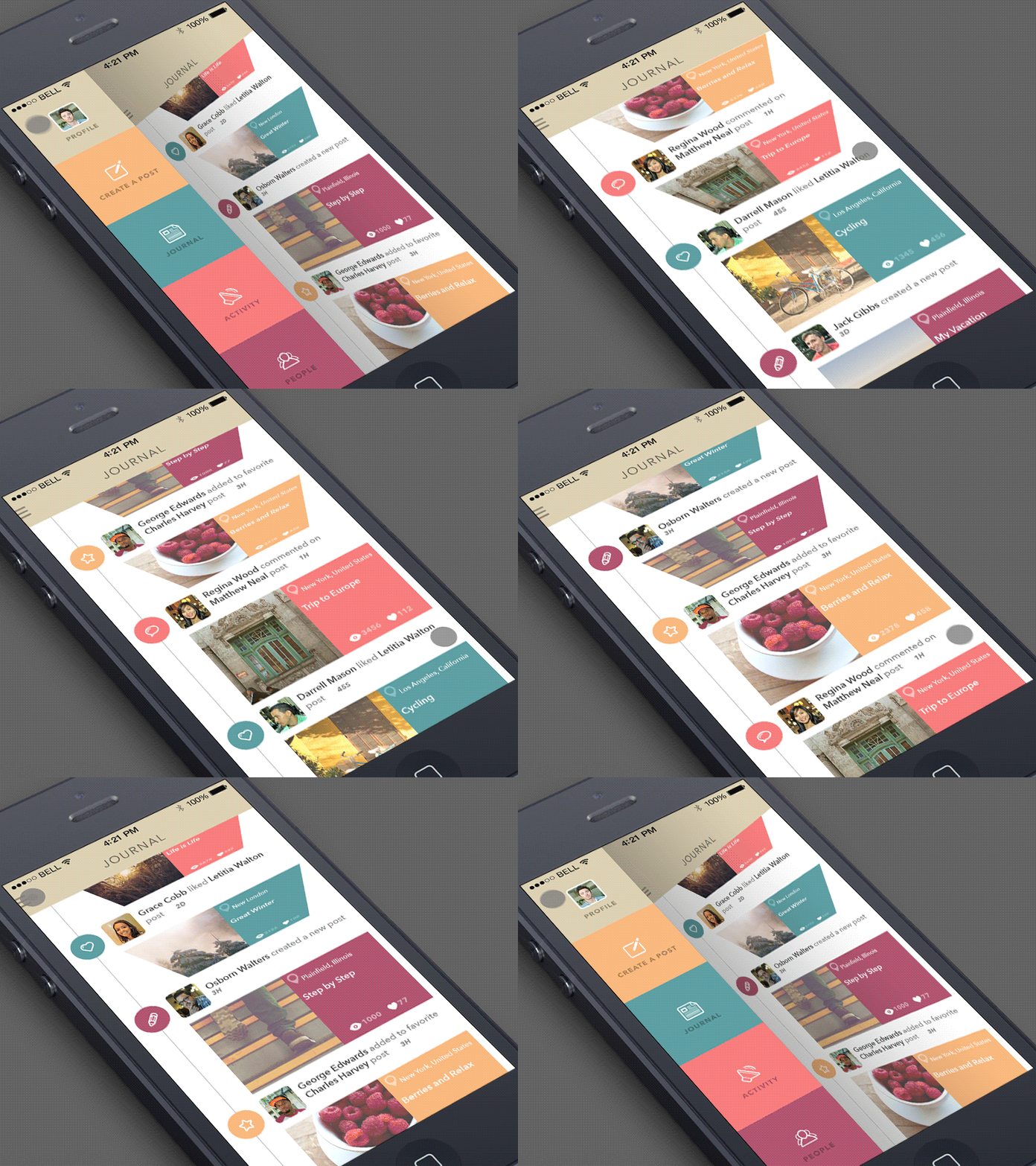
End-to-End SaaS Development Agency in Bali
We design, build, and scale custom SaaS platforms for startups, enterprises, and growing digital businesses. From product strategy and UX design to backend architecture, cloud infrastructure, APIs, billing systems, and long-term support, we handle the entire SaaS development lifecycle under one team.
Launch Your SaaS Product With a Dedicated Engineering Team
Work with experienced SaaS developers, UI/UX designers, and cloud engineers who understand scalable product development, subscription systems, API architecture, and modern SaaS growth strategies.
Software Development
SaaS Model
- Central cloud host
- Recurring revenue
- Continuous updates
- Example: Netflix
Non-SaaS Models
- Local installation
- One-time purchase
- Client owns code
- Example: Elden Ring
The Optimal Tech Stack for Scalable SaaS Development
Choosing the right tech stack early optimizes your SaaS development lifecycle, eliminating architecture bottlenecks, enhancing platform reliability, and ensuring your cloud ecosystem scales efficiently without requiring code refactoring.
React & Next.js
React and Next.js accelerate frontend SaaS development by delivering fast rendering speeds, component-driven modularity, internal search engine optimization support, and seamless interactive states across cross-platform browsers.
Kotlin, Java & Node.js
Reliable backend engineering is the engine of long-term SaaS development. Kotlin and Java ensure stable memory management for enterprise platforms, while Node.js provides lightweight scaling models for real-time application features.
PostgreSQL & Redis
PostgreSQL secures core relational database integrity during multi-tenant data isolation, while Redis balances execution workloads via fast in-memory query caching, session data storage, and message-broker queue mechanisms.
AWS, Docker & Kubernetes
Cloud-native web infrastructure underpins dependable SaaS development. Docker and Kubernetes automate container microservice provisioning, while Amazon Web Services provides the globally secure environment required for web operations.
Secure User Access Systems
Modern SaaS development architectures rely on protected authentication networks using OAuth protocols, single sign-on tools, multi-factor setups, and rule-based access parameters designed for compliance audits.
Product & User Analytics
Monitoring consumer behavior pipelines and telemetry maps tracks feature engagement, guiding custom software updates to optimize conversion loops and reduce account churn.
Secure Multi-Tenant Architecture
Keep customer data protected with reliable tenant separation, role-based permissions, and secure cloud infrastructure.
Subscription & Payment Systems
Build recurring billing, usage tracking, invoices, subscriptions, and payment workflows directly into your platform.
Cloud Infrastructure & API Integrations
Connect CRMs, analytics tools, payment gateways, and third-party services while maintaining fast application performance.
Automate Enterprise Operations With Scalable SaaS Solutions
We build enterprise SaaS platforms that automate workflows, reduce manual tasks, improve team productivity, and centralize business operations across departments.
Start BuildingReplace Manual Processes With Smart Automation
Automate approvals, reporting, internal operations, notifications, onboarding, CRM workflows, and repetitive business tasks through custom SaaS systems.
Centralized Dashboards
Manage operations, analytics, users, and business data from one unified platform.
Team Collaboration Tools
Improve communication and internal productivity with connected workflows and shared systems.
API & System Integrations
Connect your SaaS platform with CRMs, payment gateways, ERP systems, and third-party services.
Scalable Cloud Infrastructure
Build enterprise-ready SaaS applications designed for growth, security, and high performance.
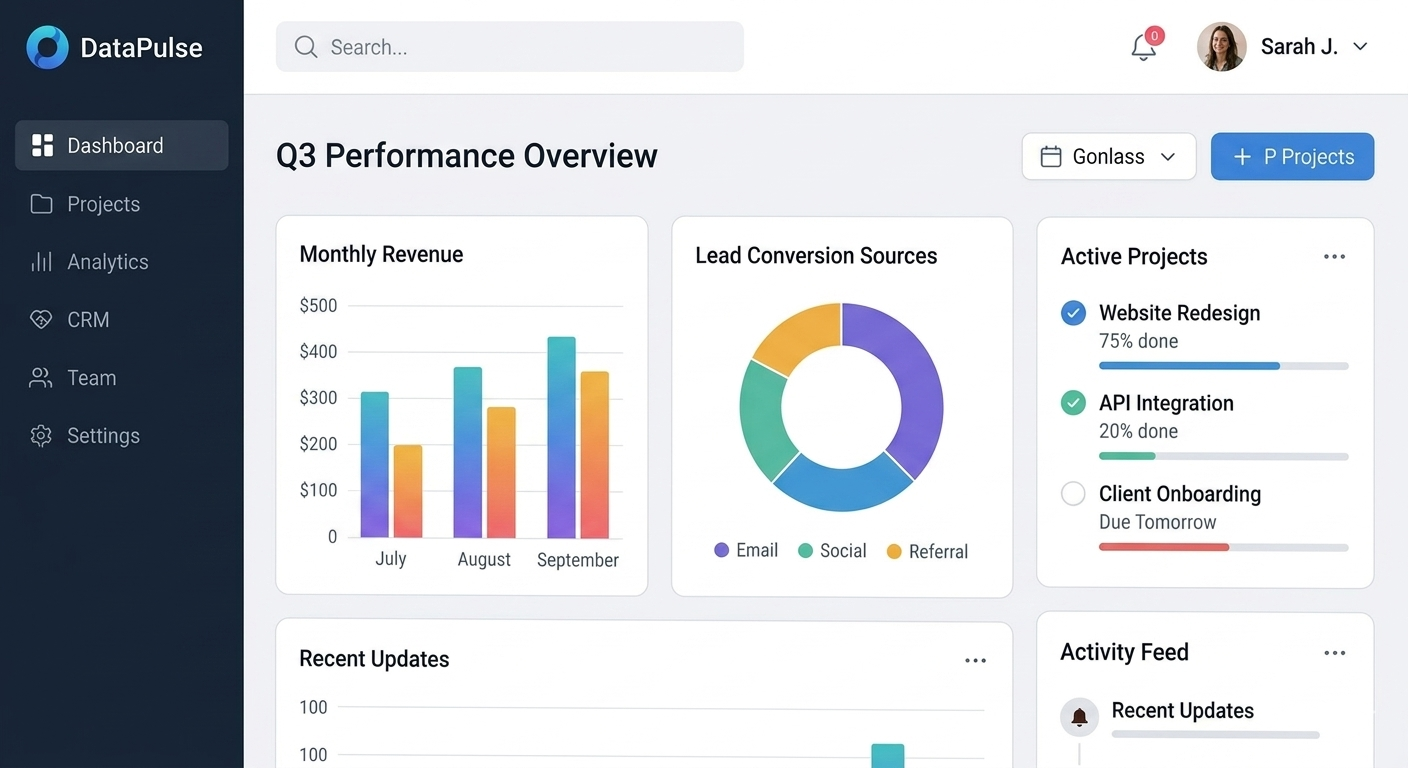
We are also Information Tech Consultants. We try to understand the client’s business before deciding on the technology. That mindset leads to better projects than starting with the most complex technical solution
From Product Idea to Scalable Digital Platform
We help startups and businesses design, build, launch, and improve digital products with scalable architecture, intuitive user experiences, and modern cloud technologies.
Product Discovery & Market Validation
Define your product roadmap, validate business ideas, identify target users, and create scalable product strategies.
UI/UX Design
Create clean and modern digital experiences focused on usability, accessibility, and conversions.
Scalable Application Development
Build fast, secure, and scalable web or mobile applications using modern development frameworks.
Continuous Improvement & Product Scaling
Optimize performance, release new features, improve infrastructure, and scale your product as your business grows.
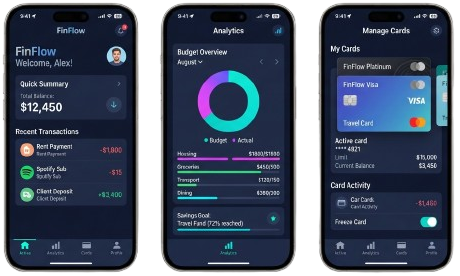
24/7 Production Traceability
Android Sandbox
Test native compilation outputs instantly. Firebase pipelines compile and push raw Android Studio packages straight to this link whenever our Bali team updates code arrays.
iOS Simulation
Interact with the React Native client build inside your web browser. No provisioning profiles or app store clearance required to audit mobile layout progress.
API Playground
Execute live queries straight into our Laravel backend server logic. Scramble documentation auto-updates route signatures to allow sandbox verification of database tables.
Server Metrics
Monitor live system bandwidth, RAM usage, and active background worker activity on our KVM 4 VPS via Laravel Pulse dashboard telemetry strings.
Modern Product Engineering for Scalable Digital Platforms
We engineer reliable digital products with modern architectures, scalable backend systems, cloud infrastructure, and high-performance user experiences built for long-term growth.
Scalable Software Architecture
Build secure and scalable systems designed to support growing user traffic, business operations, and future product expansion.
- Cloud-Native Infrastructure
- Microservices & APIs
- High Availability Systems
- Database Optimization
Full Product Development
Develop modern web and mobile applications with clean code, strong performance, and scalable infrastructure.
Performance & System Reliability
Improve speed, uptime, scalability, and overall platform stability through modern engineering practices
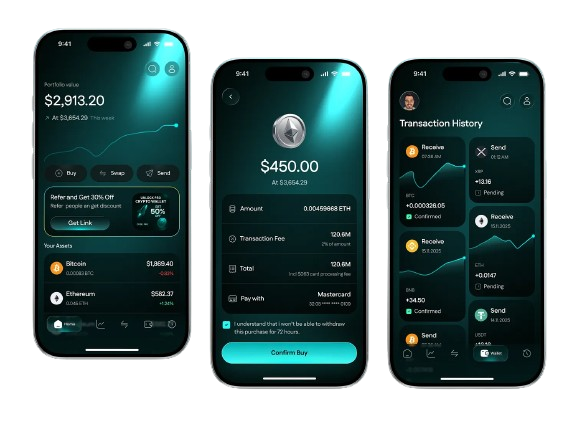
Custom Software vs SaaS
Choosing between custom software development and SaaS platforms depends on your business goals, scalability requirements, operational complexity, and long-term growth plans.
Built Specifically for Your Business
Custom software gives businesses full control over features, workflows, integrations, and scalability without depending on third-party limitations.
- Tailored to your exact operations and business model
- Flexible integrations with internal systems and APIs
- Full ownership of infrastructure and product roadmap
- Easier long-term scalability for growing businesses
- Stronger competitive differentiation in the market
Faster Setup with Lower Initial Costs
SaaS solutions are subscription-based platforms designed for businesses that want quick deployment without building custom systems from scratch.
- Faster implementation and onboarding
- Lower upfront development investment
- Maintenance and hosting handled by providers
- Suitable for standard business workflows
- Easy access through cloud-based environments
The right solution depends on your growth strategy.
Businesses with unique operations, long-term scalability goals, or complex integrations often benefit from custom software. Companies focused on speed and operational simplicity may prefer SaaS platforms during early growth stages.
SaaS vs. PaaS: Control and Audiences
The primary difference between SaaS and PaaS comes down to user intent, control over the technology stack, and shared responsibilities.
Complete Ready-to-Use Software Products
Built for everyday business users and consumers to complete tasks, requiring zero coding skills with vendor-managed infrastructure.
- Targeted at end-users, employees, and general consumers
- Primary purpose to complete specific day-to-day business tasks
- Low customization limited to basic account settings and user profiles
- No technical skill or coding background required for users
- Exemplified by platforms like Microsoft 365, Slack, Zoom, and HubSpot
Cloud Environments for Application Builders
Provides hosting, infrastructure, and tools specifically designed for software developers to build, test, and deploy applications.
- Designed for software engineers, DevOps, and developers
- Primary purpose to build, test, and scale custom applications
- High customization allowing you to write any code you desire
- Requires active coding, architecture, and deployment skills
- Powered by developer services like Heroku, Google App Engine, and Firebase
Understanding management boundaries across models.
In a PaaS environment, you retain full ownership of application code and databases while the vendor handles servers, hardware, and operating systems. Conversely, in a SaaS model, the vendor manages code, data storage, and security entirely, leaving you with simple user profiles and account settings.
From Custom Services to Scalable SaaS
Explore how development agencies escape the billable-hour trap, leverage white-label dev platforms, and transform internal tools into massive software enterprises.
Escaping the Billable-Hour Trap
Agencies transition to SaaS products to generate recurring subscription revenue and productize repeated industry expertise.
- Breaking free from trading individual hours for custom client dollars
- Generating predictable, scalable monthly recurring subscription revenue
- Converting repeated custom projects into standardized industry tools
- Focusing on solving specific market-wide business problems
- Building standalone software products with high valuation potential
PaaS Demands vs. Agency Success Stories
While foundational PaaS requires massive data centers like AWS or Azure, agencies leverage white-label platforms to launch legendary SaaS giants.
- White-Label PaaS and Managed DevPlatforms replacing raw data center builds
- Basecamp emerging from 37signals to solve internal project management needs
- Mailchimp growing out of a web design agency side project for small business email
- Unbounce founded by veterans automating slow, manual client landing page coding
- Balancing deep infrastructure expertise with agile SaaS product development
From solving client problems to building global software empires.
Building a foundational PaaS requires massive data center infrastructure like AWS, forcing developers to rely on managed platforms. By productizing internal solutions built during custom agency work, pioneers like Basecamp, Mailchimp, and Unbounce successfully turned operational bottlenecks into multi-million dollar SaaS ecosystems.
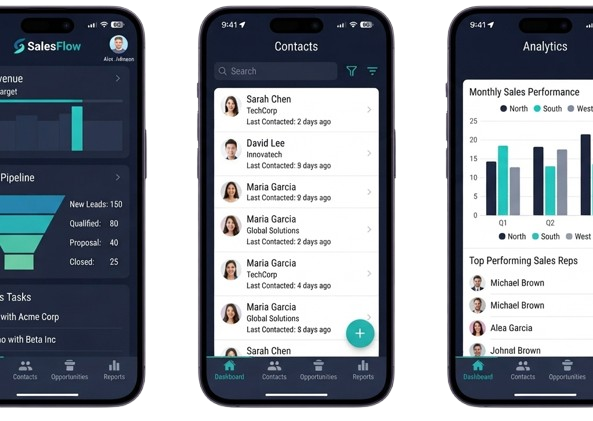
How Strong UX Increases SaaS Revenue and Company Valuation
Great SaaS products are not only built with strong engineering. They grow faster because users understand them instantly, stay longer, upgrade more often, and require less support.
Better User Retention
Clear navigation, fast onboarding, and intuitive product flows reduce frustration and keep customers actively using your platform longer.
Higher Conversion Rates
A smoother user experience increases trial-to-paid conversions, improves demo performance, and helps visitors understand product value faster.
Lower Customer Support Costs
Well-designed interfaces reduce confusion, minimize onboarding issues, and decrease repetitive support requests across the platform.
Stronger Brand Trust
Modern UX design builds confidence. Customers are more likely to trust, recommend, and invest in products that feel polished and reliable.
Higher Expansion Revenue
When users enjoy the product experience, they adopt more features, upgrade subscriptions, and expand usage across teams.
Increased SaaS Valuation
Investors look closely at retention, product adoption, engagement metrics, and customer satisfaction — all heavily influenced by UX quality.
UX directly impacts MRR, churn, and long-term SaaS growth.
Strong user experience is no longer optional in SaaS. It affects acquisition costs, customer retention, product adoption, and the overall perception of your platform in the market.
Those are projects that differ by months of work and potentially tens of thousands of dollars.
Best Practices for SaaS Performance Optimization
Fast and reliable SaaS platforms improve user experience, customer retention, SEO visibility, and long-term revenue growth. Performance optimization is not just about speed — it directly affects product adoption and scalability.
Optimize Database Queries
Reduce unnecessary queries, improve indexing, and optimize data structures to prevent bottlenecks as your SaaS platform scales.
Use Scalable Cloud Infrastructure
Deploy scalable cloud environments with load balancing, auto-scaling, and reliable monitoring to handle traffic spikes smoothly.
Improve Frontend Performance
Compress assets, lazy-load components, and reduce unnecessary scripts to create faster and more responsive user interfaces.
Monitor APIs & Background Processes
Track API response times, queue systems, and background jobs to identify performance issues before they affect users.
Implement Caching Strategies
Use CDN delivery, server-side caching, and memory caching systems to reduce server load and speed up requests.
Continuously Test & Optimize
Regular performance audits, stress testing, and monitoring help SaaS platforms stay stable as new features and users are added.
Which gives our Clients a roadmap instead of an overwhelming upfront cost
Database & CRM Design for Scalable SaaS Applications
A scalable SaaS product starts with a strong database and CRM structure Clean architecture improves performance, simplifies future development, supports automation, and makes it easier to scale users, teams, subscriptions, and business operations over time
Multi-Tenant Database Structure
Build secure database architectures that separate customer data properly, improve scalability, and support growing SaaS platforms without performance issues
CRM Workflow Design
Organize customer pipelines, sales flows, lead management, onboarding, and automation systems around real business operations
Subscription & Billing Logic
Design flexible subscription systems with usage tracking, invoices, recurring billing, upgrades, and role-based account management
API & Third-Party Integrations
Connect CRM platforms, payment gateways, marketing tools, analytics systems, and internal APIs into a centralized SaaS ecosystem
Performance & Query Optimization
Improve application speed with optimized queries, indexing strategies, caching layers, and efficient database relationships
Scalable Reporting & Analytics
Structure data models that support dashboards, customer insights, reporting tools, and real-time business intelligence features
Better architecture reduces future scaling problems
Many SaaS platforms fail because the database structure cannot support growth. A well-designed CRM and backend architecture creates a stable foundation for scaling users, features, integrations, and operational complexity over time
Understanding SaaS Architecture
SaaS functions as a comprehensive business and delivery framework rather than a rigid piece of technology, centering on cloud infrastructure, vendor management, and recurring subscription models.
Centrally Hosted and Managed by Vendors
Cloud-based deployment ensures that maintenance, updates, and infrastructure security are completely managed by the service provider behind the scenes.
- Centralized cloud infrastructure hosting
- Continuous vendor-managed updates and patches
- Secure data protection and server management
- Reliable uptime and performance monitoring
- Seamless scalability across system resources
Spanning Web Browsers, Desktop, and Mobile
SaaS is never restricted to mobile applications alone, extending smoothly across diverse digital environments and primary web browser interfaces.
- Instant web browser accessibility
- Predictable recurring subscription pricing
- Desktop and mobile ecosystem integration
- Cross-device synchronization capabilities
- Flexible user license management
Software delivery defined by cloud access and subscription models.
Because SaaS operates primarily as a business delivery mechanism, its reach goes far beyond standard mobile app limitations. By combining centralized cloud hosting with subscription billing, it provides universally accessible tools across web browsers and desktop platforms alike.
The Pillars of SaaS and Non-SaaS Models
Not all software development qualifies as SaaS, as a project must fulfill strict cloud-hosted, vendor-managed, and recurring subscription criteria to fit the model.
Core Requirements for SaaS Architecture
For an application or software project to be considered SaaS, it must meet three specific criteria regarding hosting, management, and pricing.
- Cloud-hosted code and data on central servers instead of local devices
- Vendor-managed updates, security, and maintenance handled automatically
- Subscription-based recurring fee structures instead of single purchases
- Reliable service delivery model tailored for continuous software access
- Centralized user access and management framework
Software Models Outside the SaaS Scope
Many types of applications and software development do not fit the SaaS framework, spanning traditional installs, single-purchase apps, and bespoke builds.
- Traditional desktop software bought once and downloaded locally
- One-time purchase mobile apps without cloud connectivity
- On-premise corporate enterprise software on internal private servers
- Custom client software built completely for individual business ownership
- Local environments managed entirely by internal client IT teams
Recognizing the hard line between SaaS and standard software.
While software engineering covers a vast spectrum of solutions, SaaS specifically requires cloud hosting, vendor maintenance, and recurring subscription fees. Everything from traditional desktop programs to custom agency builds falls outside these parameters.
How Users Access SaaS Platforms
SaaS platforms provide flexible user entry points across multiple devices, spanning web browsers, dedicated desktop software, and native mobile applications.
Web Browsers and Dedicated Desktop Apps
Most SaaS tools are built first as web applications accessed via URLs, while others offer downloadable desktop clients for enhanced performance.
- Most common entry through web application URLs
- Platform support for major services like Salesforce, HubSpot, and Figma
- Downloadable desktop applications for Windows and macOS
- Optimized performance for heavy daily workloads
- Dedicated desktop utilities utilized by Slack, Zoom, and Spotify
Native Applications for Mobile and Tablets
Many SaaS platforms provide dedicated iOS and Android apps so users can seamlessly access their cloud data on the go.
- Native iOS and Android application integration
- Instant cloud data synchronization on smartphones and tablets
- Uninterrupted productivity while away from a computer workstation
- Trusted mobile solutions implemented by Dropbox and Trello
- Push notifications and mobile-optimized workflows
Seamless connectivity across every device channel.
SaaS platforms eliminate traditional boundary lines by providing unified access through web URLs, desktop software packages, and handheld mobile apps. This multi-device architecture ensures continuous accessibility regardless of location or hardware choice.
Questions About Product Engineering & SaaS Development
Learn more about our product engineering process, scalable SaaS development services, cloud infrastructure, and long-term product support.
What is product engineering?
Do you build scalable SaaS platforms?
Can you modernize existing software products?
What technologies do you use for product development?
Do you provide ongoing support and scaling?
How long does product development usually take?
Ready to Build Your Product?
Let’s create a scalable digital product designed for performance, growth, and long-term success.