Digital Transformation

5 June website

How Modern DevOps Can Transform Public Sector IT

How Modern DevOps Can Transform Public Sector IT Public sector IT systems are often slow to change, difficult to maintain, and heavily dependent on legacy infrastructure. Modern DevOps practices—automation, continuous delivery, infrastructure as code, and observability—can fundamentally reshape how governments build, deploy, and operate digital services at scale. 1. From Manual Deployment to Continuous Delivery […]

How Modern DevOps Can Transform Public Sector IT Read More »

Cloud Infrastructure, DevOps, Digital Transformation, Featured Posts, Government Cloud Infrastructure, Government Digital Transformation, Government IT Modernization, Public Sector Technology, , , , , , , ,
hq720 1 removebg preview

Why Government Systems Must Be Designed for Scalability

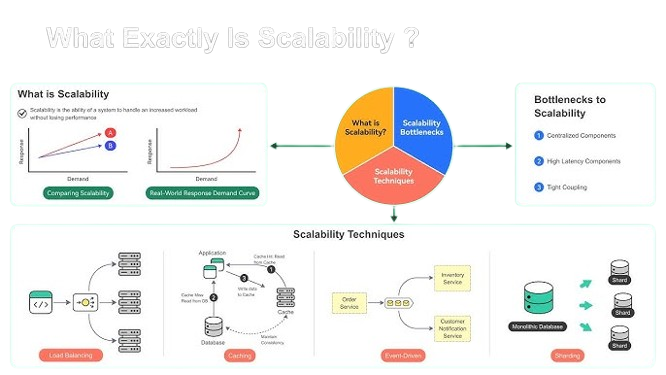
Why Government Systems Must Be Designed for Scalability Government systems operate at national scale, serving millions to hundreds of millions of citizens simultaneously. Unlike typical enterprise software, they cannot fail under peak load, crisis conditions, or sudden demand surges. Scalability is not a performance feature — it is a core requirement for national stability. 1.

Why Government Systems Must Be Designed for Scalability Read More »

Cloud Scalability, Digital Transformation, Featured Posts, Government Digital Transformation, Government Infrastructure, Public Sector Technology, Systems Engineering, , , , , , , ,
1748268503065

Why Ministries Need Internal Analytics and Reporting Dashboards

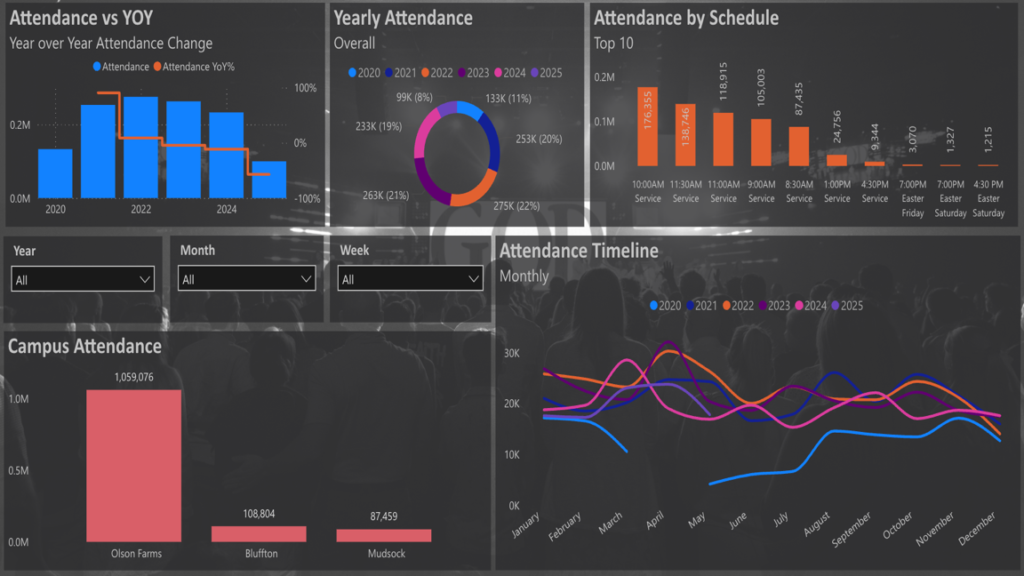
Why Ministries Need Internal Analytics and Reporting Dashboards Modern ministries operate complex, high-volume systems spanning public services, budgets, procurement, staffing, infrastructure programs, and national policy execution. Without internal analytics and reporting dashboards, decision-making becomes slow, fragmented, and dependent on outdated reports rather than real-time operational intelligence. 1. Ministries Operate Blind Without Unified Data Most ministries

Why Ministries Need Internal Analytics and Reporting Dashboards Read More »

Digital Transformation, Featured Posts, Government Analytics, Government Digital Transformation, Institutional Data Systems, Policy Infrastructure, Public Sector Technology, , , , , , , , ,
images 9

Why Most Government Software Is Technically Obsolete

Why Most Government Software Is Technically Obsolete Government software is not failing because engineers are incompetent. It is failing because it is built inside environments where stability, compliance, procurement structure, and political risk dominate every technical decision. The result is systems that evolve far slower than the societies they serve. 1. Legacy Systems That Cannot

Why Most Government Software Is Technically Obsolete Read More »

Digital Transformation, Enterprise Architecture, Government Digital Transformation, Government Infrastructure, Public Sector Technology, Sovereign Cloud Systems, , , , , , , , , ,
blog workflowAutomation featured 1560x740 copy 1

Why Public Sector Workflow Automation Is Critical for Governments

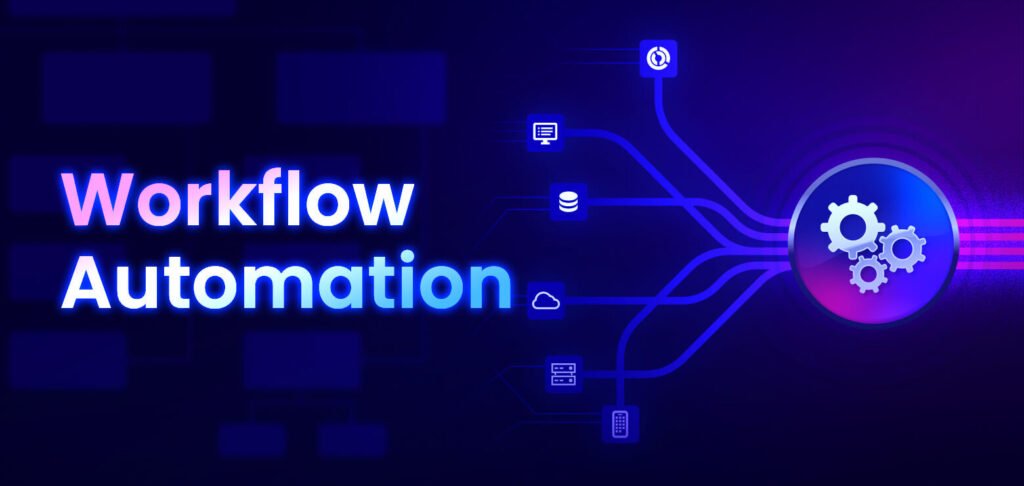
Why Public Sector Workflow Automation Is Critical for Governments Public sector workflow automation enables governments to replace slow, manual, and fragmented administrative processes with structured digital systems that improve efficiency, transparency, and service delivery at scale. Most government institutions still rely on paper-based approvals, disconnected databases, and multi-step manual workflows that create delays, inconsistencies, and

Why Public Sector Workflow Automation Is Critical for Governments Read More »

Digital Transformation, Enterprise Infrastructure, Featured Posts, Government Technology, Public Sector Automation, Workflow Systems, , , , , , , ,
cc015ce8 en

The Future of National Tax Systems Is Fully Digital

The Future of National Tax Systems Is Fully Digital Modern tax systems are no longer administrative departments—they are real-time national financial operating systems that connect identity, banking, business activity, and government enforcement into a single digital infrastructure. Traditional tax administration relies on delayed reporting, fragmented systems, and manual audits that create leakage, inefficiency, and incomplete

The Future of National Tax Systems Is Fully Digital Read More »

Digital Government Platforms, Digital Transformation, FinTech Development, GovTech, Tax Systems, , , , , , , , , , , , ,
10 Reasons Why You Should Not Use Excel To Manage and Update CRM Data 2 e1779145333454

Why Ministries Should Stop Managing Operations With Excel Files

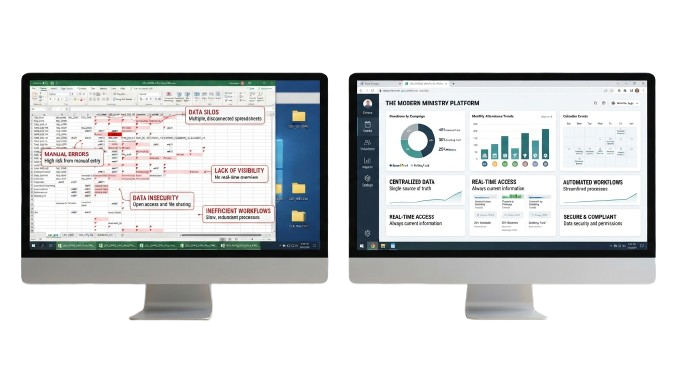
Why Ministries Should Stop Managing Operations With Excel Files Many government ministries still rely on Excel files to manage critical operations such as budgeting, citizen records, procurement tracking, and inter-department reporting, creating systemic inefficiencies, security risks, and data fragmentation at national scale. Excel was never designed as a multi-user, real-time, secure operational system. As ministries

Why Ministries Should Stop Managing Operations With Excel Files Read More »

Data Systems, Digital Transformation, GovTech, Public Administration, , , , , , , , , , , , ,
Creatio CRM software whats new.png

Why Every Ministry Needs Its Own Internal CRM System

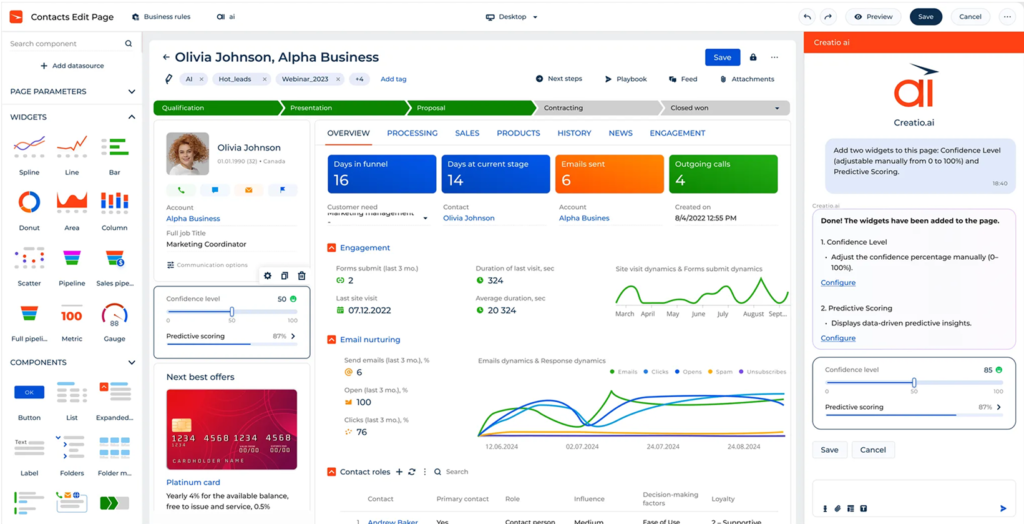
Why Every Ministry Needs Its Own Internal CRM System Modern government ministries manage millions of citizen interactions, operational requests, inter-agency communications, and service workflows that require structured tracking, automation, and accountability systems built on internal CRM infrastructure. Without centralized CRM systems, ministries rely on fragmented emails, spreadsheets, manual tracking, and disconnected departmental workflows that reduce

Why Every Ministry Needs Its Own Internal CRM System Read More »

Digital Transformation, Enterprise Systems, Government Infrastructure, Government IT Systems, Government Software Development, Government Systems, Government Technology, GovTech, Public Administration, , , , , , , , , , , , ,
1 kjokdW03q qesScwTdRQiQ

Digital Strategy, Business Intelligence, and the Future of Digital Growth

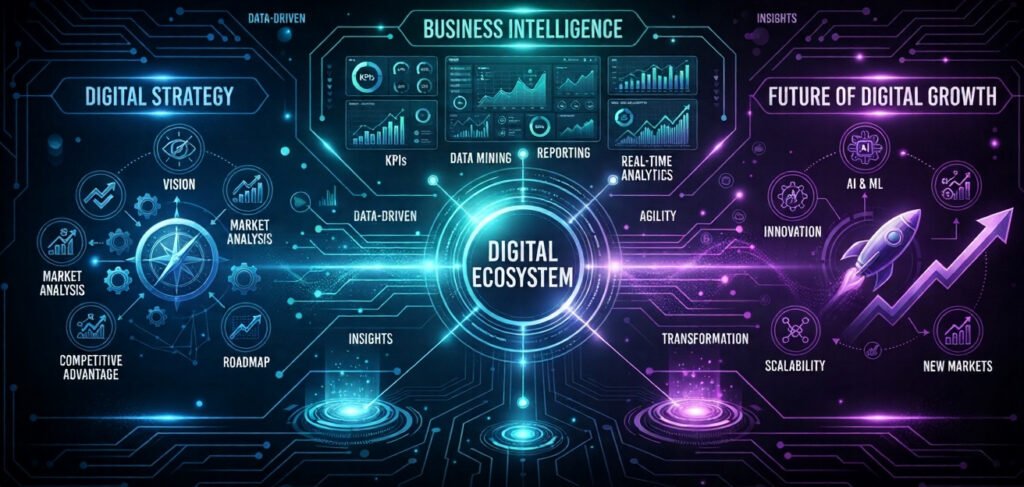
Digital Strategy, Business Intelligence, and the Future of Digital Growth Modern organizations no longer compete only through products or services. They compete through infrastructure intelligence, operational speed, data visibility, automation capability, cybersecurity resilience, and digital adaptability. This is where digital strategy becomes one of the most important foundations of long-term business growth. Businesses today operate

Digital Strategy, Business Intelligence, and the Future of Digital Growth Read More »

Artificial Intelligence, Business Intelligence, Digital Growth, Digital Marketing, Digital Strategy, Digital Transformation, Enterprise Technology, , , , , , , , , , , , ,
pexels ann h 45017 33137129

All Solutions Start With Being Consistent About the Problem

All Solutions Start With Being Consistent About the Problem Businesses do not stagnate because they lack potential. They stagnate because they stop recognizing what needs to be fixed. Every breakthrough begins with awareness. Every innovation begins with friction. And every scalable business begins with the willingness to consistently confront problems instead of avoiding them. The

All Solutions Start With Being Consistent About the Problem Read More »

Business Intelligence, Business Strategy, Digital Growth, Digital Marketing, Digital Transformation, Tech Startup Growth
Scroll to Top