EdgeOfContent

Alek is a software development and digital growth specialist based in Bali, Indonesia. He focuses on "The Reality" of the industry—moving past typical marketing fluff to deliver high-performance, scalable infrastructure for businesses. His work centers on helping startups and established brands build sustainable digital systems rather than just one-off websites.

private labeling

Private Labeling: Engineering Exclusive Proprietary Software

The Architecture of Private Labeling: Engineering Exclusive Proprietary Software Private labeling moves beyond generic white-label software. It is a development model where core technical codebases are customized, feature-locked, and deployed exclusively for a single enterprise buyer, granting them a unique market advantage without the liability of initial infrastructure R&D. 1. Beyond Multi-Tenancy: Complete Codebase Isolation […]

Private Labeling: Engineering Exclusive Proprietary Software Read More »

Branding, Featured Posts, Startup Development, , , , , , , , , , , , , , , , , , , , , , , , , , , , , , , , , , , , , , , , , , , , , , , , , ,
1714213866530

White Labeling : Multi-Tenant Systems for Infinite Redistribution

White Labeling Architecture: Engineering Multi-Tenant Systems for Infinite Redistribution White labeling is no longer just cosmetic re-skinning. Modern enterprise white labeling is a complex architectural paradigm combining complete multi-tenant database isolation, dynamic runtime stylesheet injection, automated reverse proxy routing, and independent transactional gateway loops. 1. Decoupling the Core Logic Layer Traditional software development tethers frontend

White Labeling : Multi-Tenant Systems for Infinite Redistribution Read More »

Branding, Featured Posts, for investors, Startup Development, , , , , , , , , , , , , , , , , , , , , , , , , , , , , , , , , , , , , , , , , , , , , , , , , ,
shutterstock 790134829.2e16d0ba.fill 1200x630 1

Building Smart Immigration and Border Security Systems

Building Smart Immigration and Border Security Systems Modern immigration and border security systems are no longer just physical checkpoints. They are complex digital ecosystems combining identity verification, biometric authentication, risk analytics, travel data processing, and real-time intelligence sharing across national and international agencies. 1. Borders Are Now Data-Driven Systems Traditional border control relied on manual

Building Smart Immigration and Border Security Systems Read More »

Border Security Systems, Digital Identity Infrastructure, Immigration Technology, National Security Systems,, Public Sector Technology, , , , , , ,
d governance

The Future of Digital Governance

The Future of Digital Governance Digital governance is evolving from static e-government portals into real-time, data-driven, and infrastructure-centric systems. Governments are shifting toward integrated platforms that unify identity, services, analytics, and decision-making into continuous digital ecosystems. 1. From E-Government to Real-Time Government Systems Traditional e-government systems digitized paperwork and service portals, but often retained slow

The Future of Digital Governance Read More »

AI & Defense, AI Cloud Infrastructure, AI Development, AI Governance Systems, AI Infrastructure, AI Systems, Digital Governance, Digital Governance Infrastructure, Featured Posts, Government AI Systems, Government Infrastructure, Public Sector AI Technology, Public Sector Technology, Sovereign AI Infrastructure, Sovereign Digital Infrastructure, , , , , , , ,
5 June website

How Modern DevOps Can Transform Public Sector IT

How Modern DevOps Can Transform Public Sector IT Public sector IT systems are often slow to change, difficult to maintain, and heavily dependent on legacy infrastructure. Modern DevOps practices—automation, continuous delivery, infrastructure as code, and observability—can fundamentally reshape how governments build, deploy, and operate digital services at scale. 1. From Manual Deployment to Continuous Delivery

How Modern DevOps Can Transform Public Sector IT Read More »

Cloud Infrastructure, DevOps, Digital Transformation, Featured Posts, Government Cloud Infrastructure, Government Digital Transformation, Government IT Modernization, Public Sector Technology, , , , , , , ,
hq720 1 removebg preview

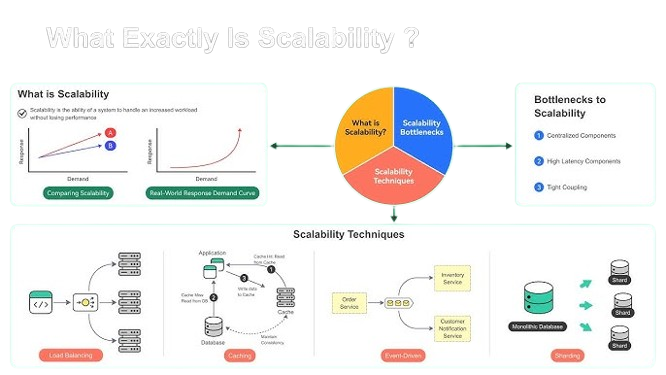
Why Government Systems Must Be Designed for Scalability

Why Government Systems Must Be Designed for Scalability Government systems operate at national scale, serving millions to hundreds of millions of citizens simultaneously. Unlike typical enterprise software, they cannot fail under peak load, crisis conditions, or sudden demand surges. Scalability is not a performance feature — it is a core requirement for national stability. 1.

Why Government Systems Must Be Designed for Scalability Read More »

Cloud Scalability, Digital Transformation, Featured Posts, Government Digital Transformation, Government Infrastructure, Public Sector Technology, Systems Engineering, , , , , , , ,
471580 87

Building Digital Infrastructure for National Elections

Building Digital Infrastructure for National Elections Modern elections are no longer just logistical events — they are large-scale digital operations involving voter registration systems, biometric identity verification, result transmission networks, cybersecurity defenses, and real-time public communication systems. The integrity of national elections increasingly depends on the strength of their underlying digital infrastructure. 1. Elections Are

Building Digital Infrastructure for National Elections Read More »

Cybersecurity & Identity Systems, Digital Democracy, Election Systems, Government Infrastructure, Public Sector Technology, , , , , , , , ,
1748268503065

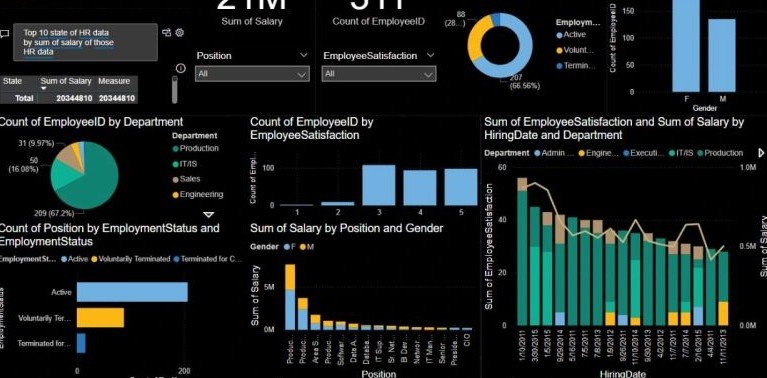
Why Ministries Need Internal Analytics and Reporting Dashboards

Why Ministries Need Internal Analytics and Reporting Dashboards Modern ministries operate complex, high-volume systems spanning public services, budgets, procurement, staffing, infrastructure programs, and national policy execution. Without internal analytics and reporting dashboards, decision-making becomes slow, fragmented, and dependent on outdated reports rather than real-time operational intelligence. 1. Ministries Operate Blind Without Unified Data Most ministries

Why Ministries Need Internal Analytics and Reporting Dashboards Read More »

Digital Transformation, Featured Posts, Government Analytics, Government Digital Transformation, Institutional Data Systems, Policy Infrastructure, Public Sector Technology, , , , , , , , ,
Blog header

The Future of Biometric Systems in Governments

The Future of Biometric Systems in Governments Biometric systems are becoming a foundational layer of modern government infrastructure. From national identity programs to border control and welfare distribution, fingerprints, facial recognition, iris scans, and behavioral biometrics are reshaping how states verify identity, prevent fraud, and deliver services at scale. 1. From Identity Cards to Continuous

The Future of Biometric Systems in Governments Read More »

Biometrics, Cybersecurity & Authentication, Digital Identity Systems, Government Infrastructure, Public Sector Technology, , , , , , , , ,
images 9

Why Most Government Software Is Technically Obsolete

Why Most Government Software Is Technically Obsolete Government software is not failing because engineers are incompetent. It is failing because it is built inside environments where stability, compliance, procurement structure, and political risk dominate every technical decision. The result is systems that evolve far slower than the societies they serve. 1. Legacy Systems That Cannot

Why Most Government Software Is Technically Obsolete Read More »

Digital Transformation, Enterprise Architecture, Government Digital Transformation, Government Infrastructure, Public Sector Technology, Sovereign Cloud Systems, , , , , , , , , ,
Scroll to Top