Digital Governance

d governance

The Future of Digital Governance

The Future of Digital Governance Digital governance is evolving from static e-government portals into real-time, data-driven, and infrastructure-centric systems. Governments are shifting toward integrated platforms that unify identity, services, analytics, and decision-making into continuous digital ecosystems. Artificial intelligence, digital governance platforms, procurement analytics, automated auditing, and transparency systems are transforming how governments detect risks, strengthen […]
The Future of Digital Governance Read More »

a654

Why Governments Need Real-Time Population Data Systems

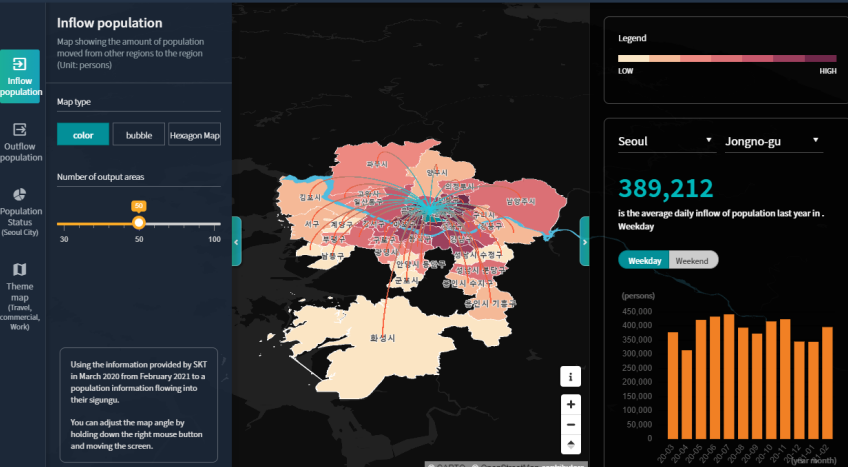
Why Governments Need Real-Time Population Data Systems Real-time population data systems help governments monitor demographic movement, public service demand, migration patterns, and citizen records instantly — enabling faster decision-making, national planning, and more responsive digital governance infrastructure. Traditional census systems and disconnected databases leave governments operating with outdated information that cannot support modern economic planning,

Why Governments Need Real-Time Population Data Systems Read More »

Surveillance eng web3 03

Building Secure Inter-Ministry Communication Infrastructure

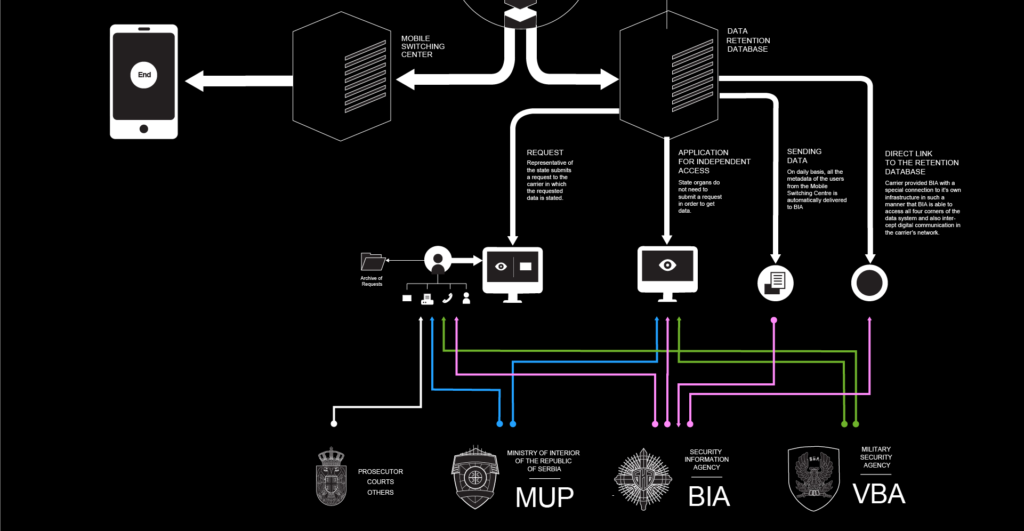
Building Secure Inter-Ministry Communication Infrastructure Secure inter-ministry communication infrastructure is a government-grade digital system that enables ministries, agencies, and public institutions to exchange data, approvals, and directives safely, instantly, and with full auditability across a unified national platform. Most governments still rely on fragmented communication channels such as email chains, paper memos, and disconnected internal

Building Secure Inter-Ministry Communication Infrastructure Read More »

images 8

Why Every Country Needs a National Cybersecurity Strategy

Why Every Country Needs a National Cybersecurity Strategy A national cybersecurity strategy is a coordinated government framework that protects critical infrastructure, digital public services, and national data systems from cyber threats, ensuring resilience, trust, and continuity across the entire digital economy. As governments digitize services like healthcare, education, finance, taxation, and identity systems, they also

Why Every Country Needs a National Cybersecurity Strategy Read More »

Scroll to Top