Public Sector Technology

shutterstock 790134829.2e16d0ba.fill 1200x630 1

Building Smart Immigration and Border Security Systems

Building Smart Immigration and Border Security Systems Modern immigration and border security systems are no longer just physical checkpoints. They are complex digital ecosystems combining identity verification, biometric authentication, risk analytics, travel data processing, and real-time intelligence sharing across national and international agencies. Advanced digital immigration platforms and automated biometric verification infrastructure enable governments to […]

Building Smart Immigration and Border Security Systems Read More »

d governance

The Future of Digital Governance

The Future of Digital Governance Digital governance is evolving from static e-government portals into real-time, data-driven, and infrastructure-centric systems. Governments are shifting toward integrated platforms that unify identity, services, analytics, and decision-making into continuous digital ecosystems. Artificial intelligence, digital governance platforms, procurement analytics, automated auditing, and transparency systems are transforming how governments detect risks, strengthen

The Future of Digital Governance Read More »

CloudDevOps 2

How Modern DevOps Can Transform Public Sector IT

How Modern DevOps Can Transform Public Sector IT Public sector IT systems are often slow to change, difficult to maintain, and heavily dependent on legacy infrastructure. Modern DevOps practices—automation, continuous delivery, infrastructure as code, and observability—can fundamentally reshape how governments build, deploy, and operate digital services at scale. Artificial intelligence, digital governance platforms, procurement analytics,

How Modern DevOps Can Transform Public Sector IT Read More »

hq720 1 removebg preview

Why Government Systems Must Be Designed for Scalability

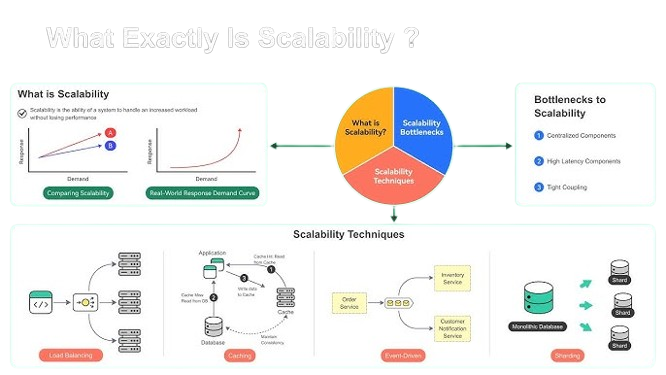
Why Government Systems Must Be Designed for Scalability Government systems operate at national scale, serving millions to hundreds of millions of citizens simultaneously. Unlike typical enterprise software, they cannot fail under peak load, crisis conditions, or sudden demand surges. Scalability is not a performance feature — it is a core requirement for national stability. Artificial

Why Government Systems Must Be Designed for Scalability Read More »

National Elections Digital Infrastructure

Building Digital Infrastructure for National Elections

Building Digital Infrastructure for National Elections Modern elections are no longer just logistical events — they are large-scale digital operations involving voter registration systems, biometric identity verification, result transmission networks, cybersecurity defenses, and real-time public communication systems. The integrity of national elections increasingly depends on the strength of their underlying digital infrastructure. Artificial intelligence, digital

Building Digital Infrastructure for National Elections Read More »

Ministries Internal Analytics Reporting Dashboards

Why Ministries Need Internal Analytics and Reporting Dashboards

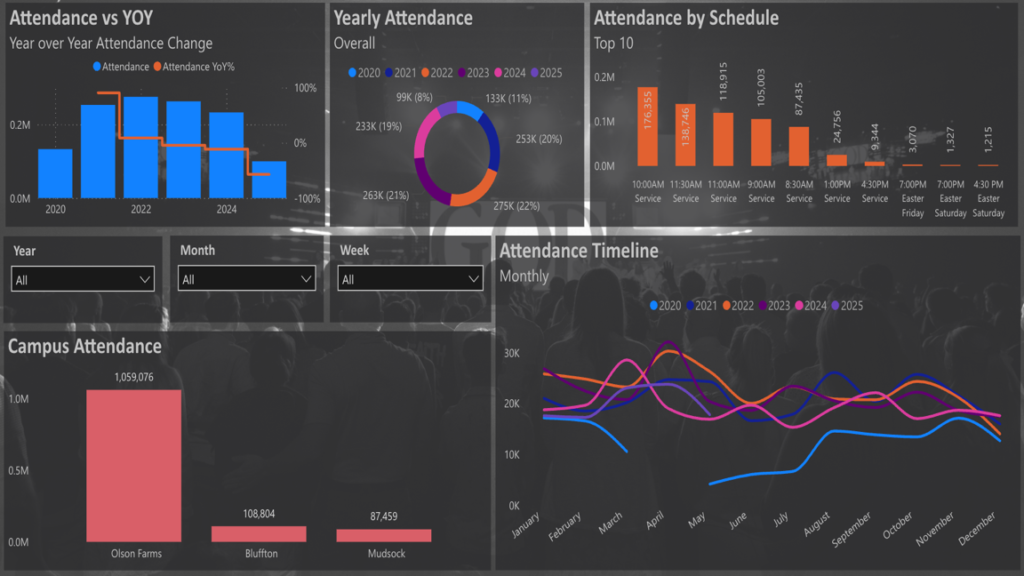
Why Ministries Need Internal Analytics and Reporting Dashboards Modern ministries operate complex, high-volume systems spanning public services, budgets, procurement, staffing, infrastructure programs, and national policy execution. Without internal analytics and reporting dashboards, decision-making becomes slow, fragmented, and dependent on outdated reports rather than real-time operational intelligence. Artificial intelligence, digital governance platforms, procurement analytics, automated auditing,

Why Ministries Need Internal Analytics and Reporting Dashboards Read More »

Blog header

The Future of Biometric Systems in Governments

The Future of Biometric Systems in Governments Biometric systems are becoming a foundational layer of modern government infrastructure. From national identity programs to border control and welfare distribution, fingerprints, facial recognition, iris scans, and behavioral biometrics are reshaping how states verify identity, prevent fraud, and deliver services at scale. Artificial intelligence, digital governance platforms, procurement

The Future of Biometric Systems in Governments Read More »

Obsolete Government Software

Why Most Government Software Is Technically Obsolete

Why Most Government Software Is Technically Obsolete Government software is not failing because engineers are incompetent. It is failing because it is built inside environments where stability, compliance, procurement structure, and political risk dominate every technical decision. The result is systems that evolve far slower than the societies they serve. Artificial intelligence, digital governance platforms,

Why Most Government Software Is Technically Obsolete Read More »

Document Verification How Does the Process Work 2048x1024 1

Building National Document Verification Systems

Building National Document Verification Systems National document verification systems enable governments to authenticate identities, validate official records, prevent fraud, and securely manage digital verification processes across public services, border control, finance, healthcare, and national administration. Artificial intelligence, digital governance platforms, procurement analytics, automated auditing, and transparency systems are transforming how governments detect risks, strengthen accountability,

Building National Document Verification Systems Read More »

images 2

Africa Doesn’t Need to Keep Renting Broken Systems from Foreign Vendors

Africa Doesn’t Need to Keep Renting Broken Systems from Foreign Vendors Digital sovereignty begins when nations stop depending entirely on external systems to operate their future. For decades, African governments, embassies, and public institutions have been told the same lie: “Only European companies can build secure governmental systems.” That lie has cost African nations millions.

Africa Doesn’t Need to Keep Renting Broken Systems from Foreign Vendors Read More »

Scroll to Top