Digital Sovereignty

images 3

Why National Security Starts With Software Infrastructure

Why National Security Starts With Software Infrastructure Modern nations are no longer secured only by borders, military assets, or physical surveillance. National stability now depends on the integrity, control, and resilience of the software systems operating beneath government, finance, communications, energy, and public infrastructure. Every modern institution runs on software infrastructure. Banking systems, telecommunications, transportation […]

Why National Security Starts With Software Infrastructure Read More »
ezgif.com webp maker 12

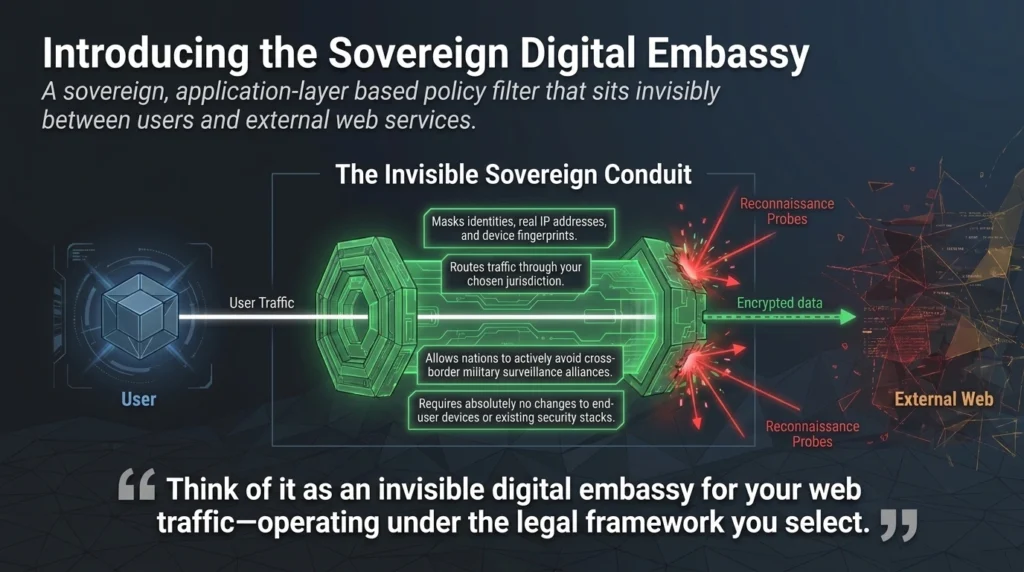
Sovereign Application Layer Policy Filtering for National Digital Control

Sovereign Application Layer Policy Filtering for National Digital Control Modern digital sovereignty is no longer achieved solely through infrastructure ownership. True control now exists at the application layer — where requests, data flows, user behavior, and external platform interactions are continuously governed in real time. A sovereign application-layer policy filter functions as an invisible enforcement

Sovereign Application Layer Policy Filtering for National Digital Control Read More »

3676d230 e842 4c07 89ef

How African Nations Can Modernize Intelligence Operations With Technology

How African Nations Can Modernize Intelligence Operations With Technology Intelligence modernization is no longer a luxury upgrade. It is a structural shift from fragmented legacy systems to unified, AI-driven national security ecosystems built for speed, accuracy, and resilience. 1. Unified National Intelligence Data Infrastructure Modern intelligence operations begin with consolidation. Data from border control, law

How African Nations Can Modernize Intelligence Operations With Technology Read More »

section 08

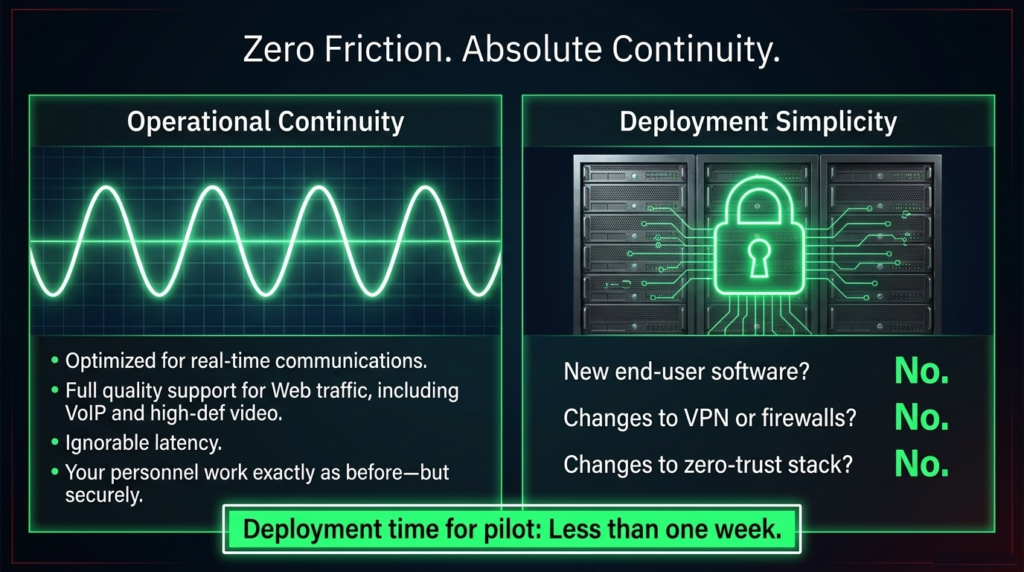
Zero Friction. Absolute Continuity in Government Digital Infrastructure

Zero Friction. Absolute Continuity in Government Digital Infrastructure National systems fail quietly when data flow, authentication, and service delivery are interrupted across ministries, borders, and legacy platforms. Government infrastructure is often designed as disconnected systems stitched together over time. Each integration adds delay, failure points, and operational overhead. Zero friction architecture removes unnecessary barriers between

Zero Friction. Absolute Continuity in Government Digital Infrastructure Read More »

Gap No One Talks About

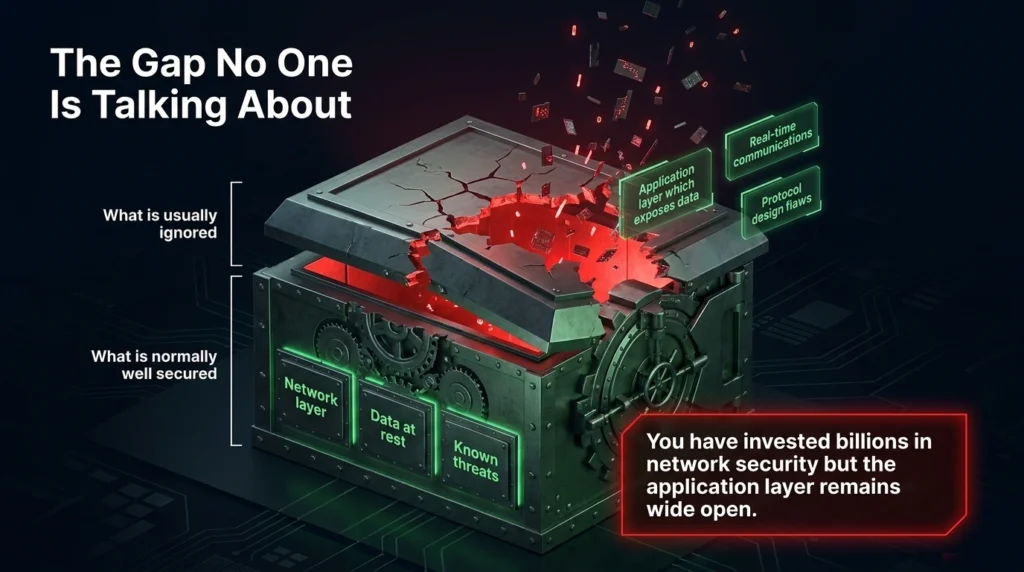
The Gap No One Talks About in Government Digital Infrastructure

The Gap No One Talks About in Government Digital Infrastructure The most dangerous weakness in national systems is not hacking or malware. It is the silent architectural gap between ownership, operation, and control. Most governments believe they have “digitized” their services once software is deployed. In reality, deployment is not ownership. The hidden gap appears

The Gap No One Talks About in Government Digital Infrastructure Read More »

advanced encryption netw

Why Government Encryption Should Never Depend on Foreign Vendors

Why Government Encryption Should Never Depend on Foreign Vendors Encryption is the backbone of national security, and control over cryptographic systems determines who ultimately controls sensitive state information. Governments rely on encryption to protect classified communications, citizen data, financial systems, and critical infrastructure operations. When encryption systems are developed or controlled by foreign vendors, the

Why Government Encryption Should Never Depend on Foreign Vendors Read More »

national sec

Why African Governments Must Control Their Own Data Infrastructure

Why African Governments Must Control Their Own Data Infrastructure Data infrastructure ownership defines national sovereignty in the digital era, directly impacting security, autonomy, and long-term economic control. Modern governments rely on large-scale data systems to manage identity, taxation, healthcare, immigration, and public services. When these systems are externally controlled, sovereignty becomes conditional. Control over data

Why African Governments Must Control Their Own Data Infrastructure Read More »

images 2 1

Why Every African Nation Needs a Counter-Intelligence Technology Division

Why Every African Nation Needs a Counter-Intelligence Technology Division National security today is defined by data control, cyber defense capability, and internal technology intelligence. Modern states are no longer threatened only by physical borders. The primary attack surface has shifted into digital infrastructure, government systems, and communication networks. A counter-intelligence technology division is no longer

Why Every African Nation Needs a Counter-Intelligence Technology Division Read More »

images 1 1

The National Security Risks of Foreign-Controlled Government Software

The National Security Risks of Foreign-Controlled Government Software When a nation does not fully control its digital infrastructure, it inherits invisible security dependencies. Governments increasingly depend on software systems for identity, borders, taxation, defense coordination, and citizen records. When those systems are designed, hosted, or maintained by external vendors, sovereignty becomes conditional. The risk is

The National Security Risks of Foreign-Controlled Government Software Read More »

10 Intelligence agancy

The 10 Most Powerful Intelligence Agencies in the World — And Why Cybersecurity Now Defines Global Power

The 10 Most Powerful Intelligence Agencies in the World — And Why Cybersecurity Now Defines Global Power Modern intelligence operations no longer depend only on spies. They depend on infrastructure, cybersecurity, data, and information technology. The global balance of power has changed dramatically in the digital era. Intelligence agencies are no longer operating only through

The 10 Most Powerful Intelligence Agencies in the World — And Why Cybersecurity Now Defines Global Power Read More »

Scroll to Top