Systems Engineering

hq720 1 removebg preview

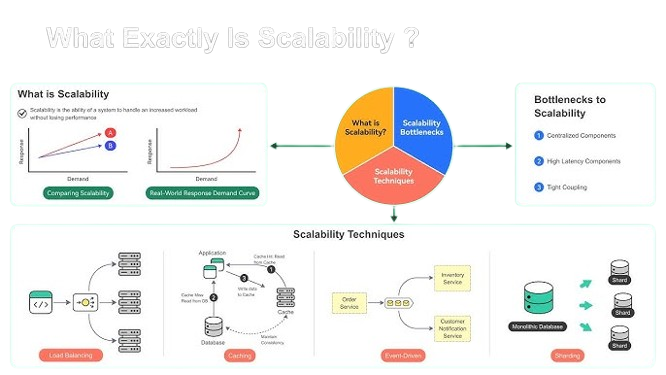
Why Government Systems Must Be Designed for Scalability

Why Government Systems Must Be Designed for Scalability Government systems operate at national scale, serving millions to hundreds of millions of citizens simultaneously. Unlike typical enterprise software, they cannot fail under peak load, crisis conditions, or sudden demand surges. Scalability is not a performance feature — it is a core requirement for national stability. 1. […]

Why Government Systems Must Be Designed for Scalability Read More »

section 08

Zero Friction. Absolute Continuity in Government Digital Infrastructure

Zero Friction. Absolute Continuity in Government Digital Infrastructure National systems fail quietly when data flow, authentication, and service delivery are interrupted across ministries, borders, and legacy platforms. Government infrastructure is often designed as disconnected systems stitched together over time. Each integration adds delay, failure points, and operational overhead. Zero friction architecture removes unnecessary barriers between

Zero Friction. Absolute Continuity in Government Digital Infrastructure Read More »

Gap No One Talks About

The Gap No One Talks About in Government Digital Infrastructure

The Gap No One Talks About in Government Digital Infrastructure The most dangerous weakness in national systems is not hacking or malware. It is the silent architectural gap between ownership, operation, and control. Most governments believe they have “digitized” their services once software is deployed. In reality, deployment is not ownership. The hidden gap appears

The Gap No One Talks About in Government Digital Infrastructure Read More »

Scroll to Top