EdgeOfContent

EdgeOfContent is a software development company based in Bali, Indonesia. We focus on Enterprise-Grade Software Development and Industries. Moving past typical marketing fluff to deliver high-performance, scalable infrastructure for businesses. Our work centers on helping startups, enterprises, and build brands that are sustainable with digital systems rather than just one-off beautiful websites.

ezgif.com webp maker 10

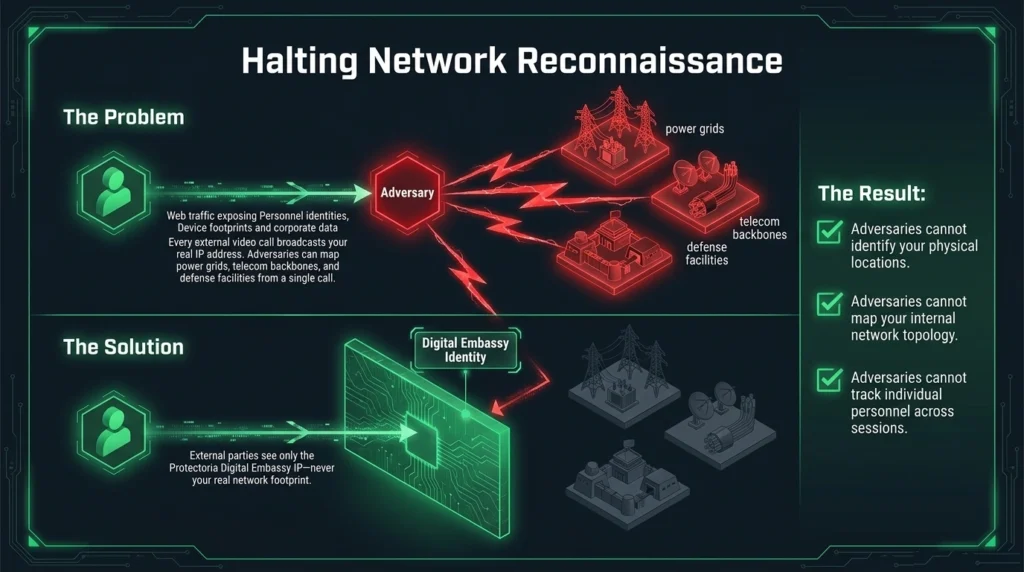
Halting Network Reconnaissance in Critical Government Infrastructure

Halting Network Reconnaissance in Critical Government Infrastructure Preventing early-stage network mapping is one of the most effective ways to reduce exposure of government systems to coordinated cyber threats. Network reconnaissance is the initial phase of most cyber intrusions. It involves mapping infrastructure, identifying exposed services, and profiling system behavior before exploitation attempts begin. In government […]

Halting Network Reconnaissance in Critical Government Infrastructure Read More »
section 08

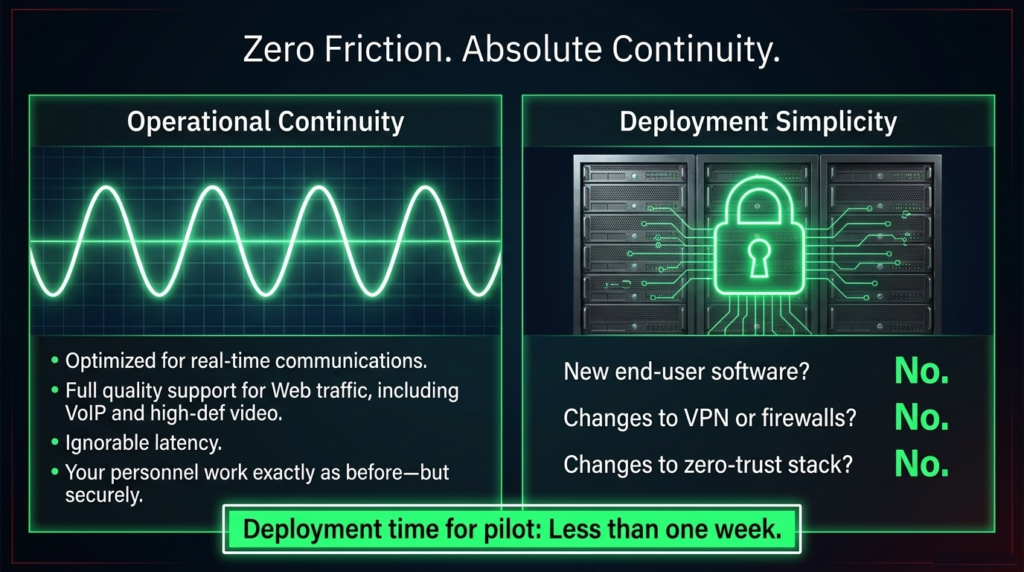
Zero Friction. Absolute Continuity in Government Digital Infrastructure

Zero Friction. Absolute Continuity in Government Digital Infrastructure National systems fail quietly when data flow, authentication, and service delivery are interrupted across ministries, borders, and legacy platforms. Government infrastructure is often designed as disconnected systems stitched together over time. Each integration adds delay, failure points, and operational overhead. Zero friction architecture removes unnecessary barriers between

Zero Friction. Absolute Continuity in Government Digital Infrastructure Read More »

Gap No One Talks About

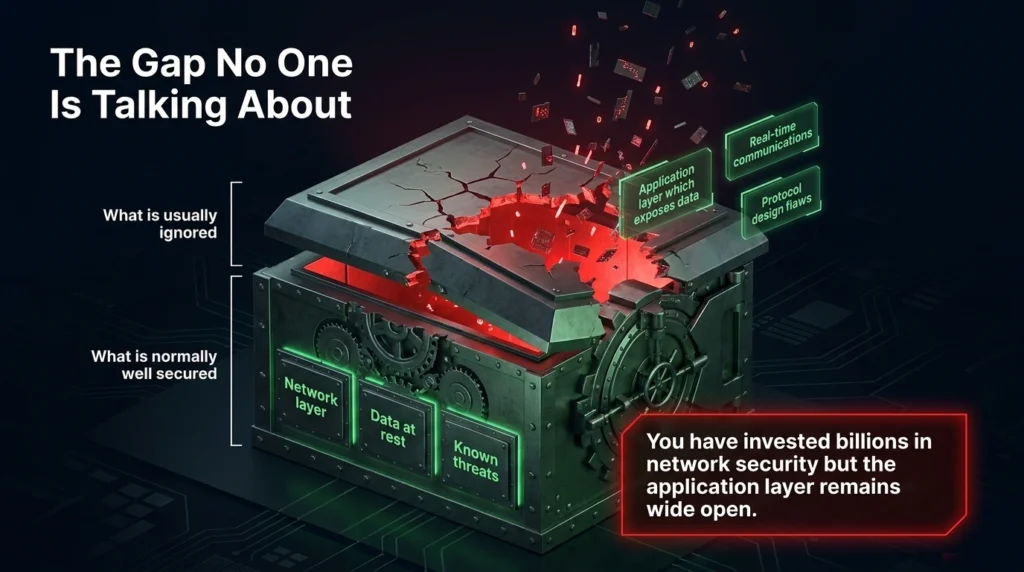
The Gap No One Talks About in Government Digital Infrastructure

The Gap No One Talks About in Government Digital Infrastructure The most dangerous weakness in national systems is not hacking or malware. It is the silent architectural gap between ownership, operation, and control. Most governments believe they have “digitized” their services once software is deployed. In reality, deployment is not ownership. The hidden gap appears

The Gap No One Talks About in Government Digital Infrastructure Read More »

the operational reality of identity data leakages

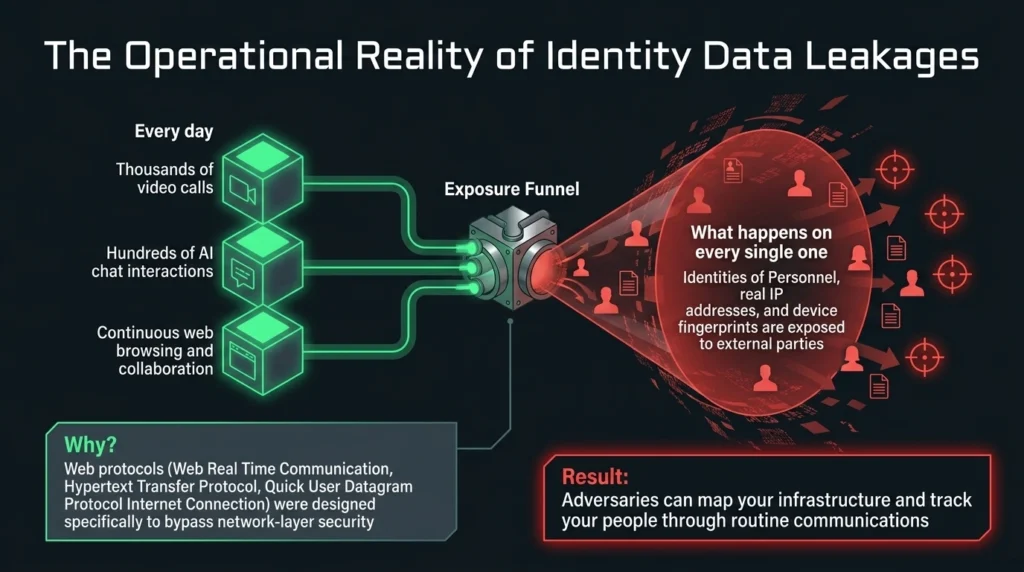
The Operational Reality of Identity Data Leakages

The Operational Reality of Identity Data Leakages Identity data leaks are not abstract cyber risks. They are recurring operational failures caused by disconnected government networks, loose internal permissions, and unmonitored vendor systems. National identity systems now sit at the center of government operations, powering passports, visas, taxation, healthcare, and border control. When these core systems

The Operational Reality of Identity Data Leakages Read More »

iStock 1870825821

Building & Securing Embassy and Consulate Visa & Passport Processing Systems with Secure Tunneling to Headquarters

Building & Securing Embassy and Consulate Visa & Passport Processing Systems with Secure Tunneling to Headquarters Modern diplomatic operations depend on secure, real-time, and centrally governed visa and passport systems connected to headquarters through encrypted infrastructure. Embassy and consulate systems are no longer isolated administrative tools. They are extensions of national identity, border control, and

Building & Securing Embassy and Consulate Visa & Passport Processing Systems with Secure Tunneling to Headquarters Read More »

3fbfccbb8db8da969592b58966c589b3

Building Secure Embassy Communication Infrastructure

Building Secure Embassy Communication Infrastructure Embassy systems are critical national infrastructure that require encrypted, resilient, and fully controlled communication networks across borders. Embassies operate in high-risk environments where communication security directly affects diplomatic integrity, citizen safety, and national intelligence operations. Weak or fragmented communication infrastructure creates exposure points that can be exploited through interception, spoofing,

Building Secure Embassy Communication Infrastructure Read More »

advanced encryption netw

Why Government Encryption Should Never Depend on Foreign Vendors

Why Government Encryption Should Never Depend on Foreign Vendors Encryption is the backbone of national security, and control over cryptographic systems determines who ultimately controls sensitive state information. Governments rely on encryption to protect classified communications, citizen data, financial systems, and critical infrastructure operations. When encryption systems are developed or controlled by foreign vendors, the

Why Government Encryption Should Never Depend on Foreign Vendors Read More »

iStock 1262892802 4500x2357 1198x628 1

Building Continental Intelligence-Sharing Systems Across Africa

Building Continental Intelligence-Sharing Systems Across Africa Regional security resilience depends on real-time intelligence exchange, coordinated threat response, and interoperable national security systems. Security threats no longer operate within national borders. Cyberattacks, financial fraud networks, and organized digital crime structures often span multiple countries simultaneously. This makes isolated national intelligence systems insufficient for modern defense requirements.

Building Continental Intelligence-Sharing Systems Across Africa Read More »

national sec

Why African Governments Must Control Their Own Data Infrastructure

Why African Governments Must Control Their Own Data Infrastructure Data infrastructure ownership defines national sovereignty in the digital era, directly impacting security, autonomy, and long-term economic control. Modern governments rely on large-scale data systems to manage identity, taxation, healthcare, immigration, and public services. When these systems are externally controlled, sovereignty becomes conditional. Control over data

Why African Governments Must Control Their Own Data Infrastructure Read More »

Scroll to Top